

Split Image Into Channels
SUMMARY
Split Image Into Channels splits an image into its color channels (B, G, R).
Channel splitting separates a multi-channel image into individual grayscale images, one per channel. Useful for per-channel processing, color-based analysis, and recombining with modified channels via merge_image_from_channels.
Use this Skill when you want to process or analyze individual color channels.
The Skill
from telekinesis import pupil

image_channels = pupil.split_image_into_channels(image=image)
channel_images = image_channels.to_list()Example
Input Image
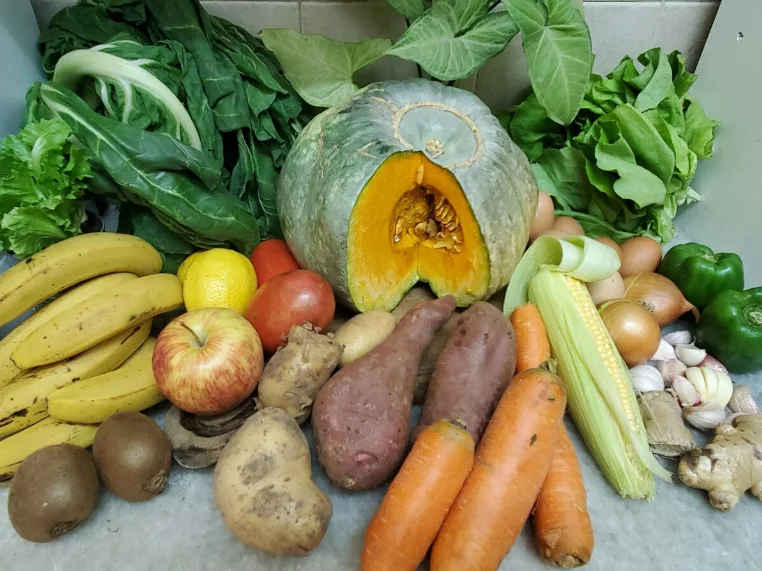
Original multi-channel image
Channel 1 (Red)
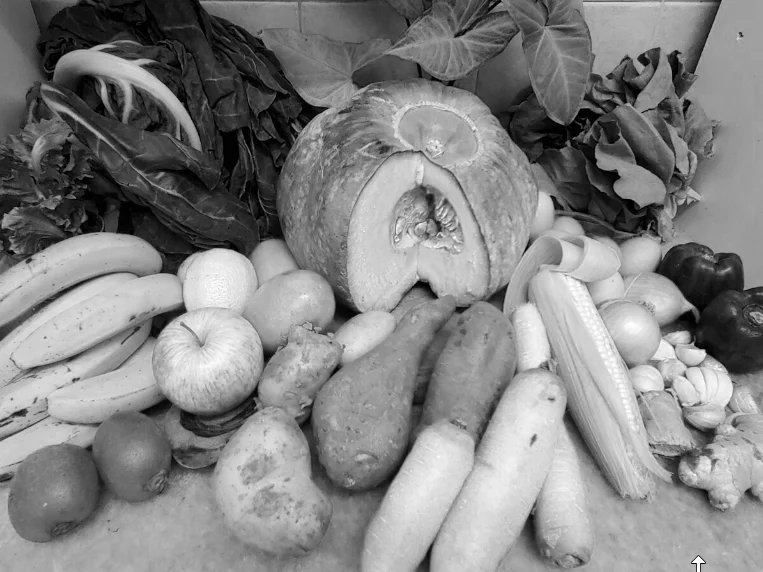
First channel
Channel 2 (Green)
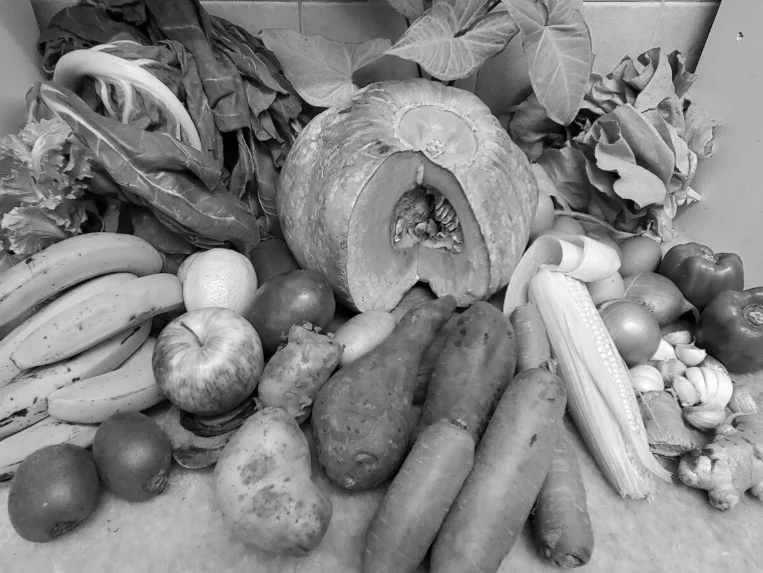
Second channel
Channel 3 (Blue)
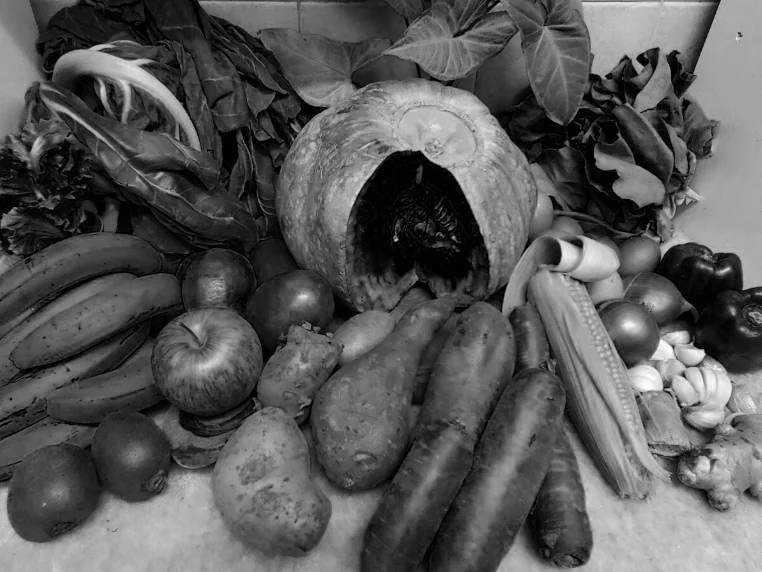
Third channel
The Code
from telekinesis import pupil
from datatypes import io
import pathlib
from loguru import logger

DATA_DIR = pathlib.Path("path/to/telekinesis-data")

# Load image
filepath = str(DATA_DIR / "images" / "vegetables.jpg")
image = io.load_image(filepath=filepath)
logger.success(f"Loaded image from {filepath}")

# Split image into channels
image_channels = pupil.split_image_into_channels(image=image)
channel_images = image_channels.to_list()
channel_np_list = [img.to_numpy() for img in channel_images]

# Access results
logger.success("Split channels. Number of channels: {}", len(channel_np_list))
The Explanation of the Code
The code begins by importing the necessary modules: pupil for image processing operations, io for data handling, pathlib for path management, and loguru for logging.
from telekinesis import pupil
from datatypes import io
import pathlib
from loguru import logger
Next, an image is loaded from a .jpg file using the io.load_image function. The input image must be multi-channel (e.g., BGR or RGB). For BGR input, channels are typically B (index 0), G (index 1), R (index 2).
DATA_DIR = pathlib.Path("path/to/telekinesis-data")

# Load image
filepath = str(DATA_DIR / "images" / "vegetables.jpg")
image = io.load_image(filepath=filepath)
The main operation uses the split_image_into_channels Skill from the pupil module. This Skill splits a multi-channel image into individual grayscale images, one per channel.
image_channels = pupil.split_image_into_channels(image=image)
channel_images = image_channels.to_list()
Finally, each channel can be converted to a NumPy array using to_numpy() for further processing, visualization, or downstream tasks.
channel_np_list = [img.to_numpy() for img in channel_images]
logger.success(f"Split channels. Number of channels: {len(channel_np_list)}")
This operation is particularly useful in robotics and vision pipelines for per-channel processing, color-based analysis, and channel recombining, where separating a multi-channel image into individual channels is required.
How to Tune the Parameters
The split_image_into_channels Skill has no tunable parameters. It requires a multi-channel input image.
Running the Example
Runnable examples are available in the Telekinesis examples repository. Follow the README in that repository to set up the environment. Once set up, you can run this specific example with:
cd telekinesis-examples
python examples/pupil_examples.py --example split_image_into_channels
Where to Use the Skill
Split Image Into Channels is commonly used in the following pipelines:
- Per-channel processing - Apply filters or operations to individual channels
- Color analysis - Analyze channel intensity distributions
- Channel swapping - Reorder channels before merge
- Color space conversion - Manual conversion by processing channels
Related skills to build such a pipeline:
merge_image_from_channels: Recombine channels after processingconvert_image_color_space: Alternative for color space changes
Alternative Skills
| Skill | vs. Split Image Into Channels |
|---|---|
| convert_image_color_space | Converts entire image to new color space. Use split when you need per-channel access or custom processing. |
When Not to Use the Skill
Do not use Split Image Into Channels when:
- You only need a single channel (Convert to grayscale or use indexing)
- You're working with grayscale images (Already single-channel)
- You need HSV/LAB channels (Convert color space first, then split)