

Segment Image Using Local Threshold
SUMMARY
Segment Image Using Local Threshold performs local threshold segmentation.
Local threshold segmentation computes a threshold value for each pixel based on its local neighborhood, making it effective for images with non-uniform lighting or varying background intensity. This method adapts to local image characteristics.
Use this Skill when you want to segment images with non-uniform lighting or varying background intensity.
The Skill
from telekinesis import cornea

result = cornea.segment_image_using_local_threshold(
    image=image,
    block_size=23,
)Example
Input Image
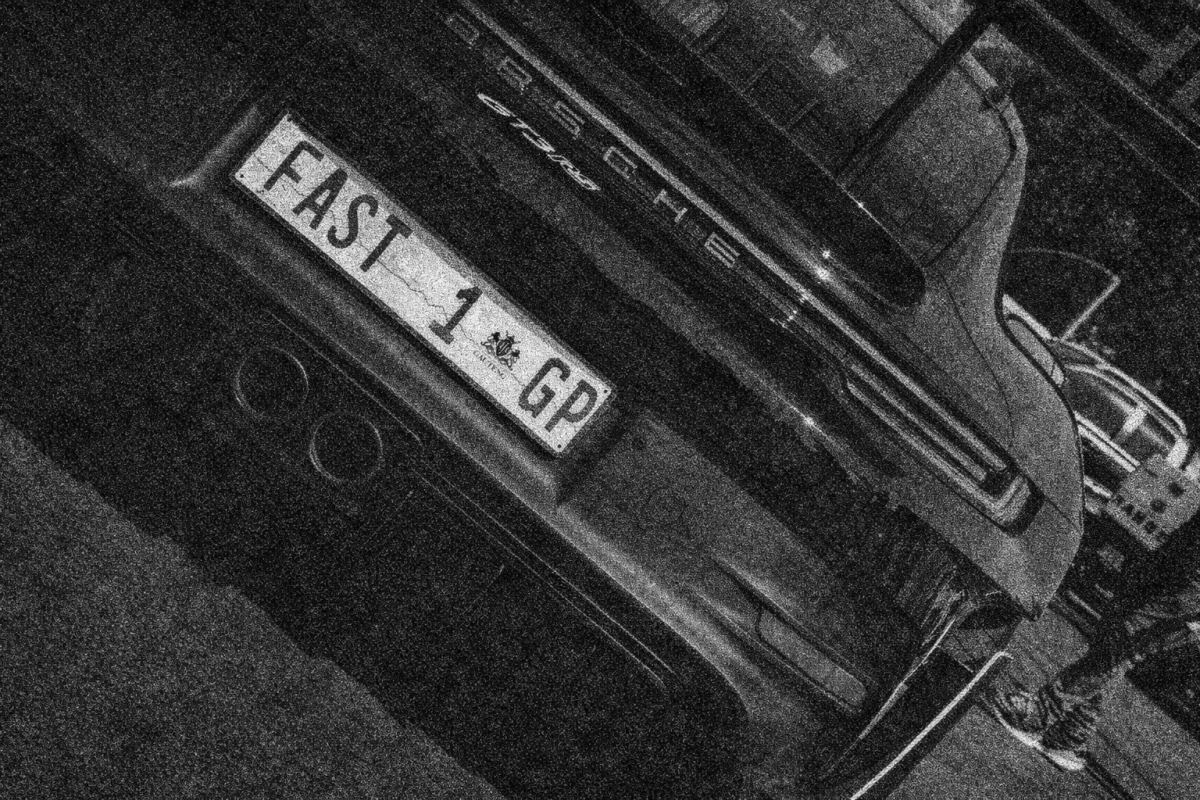
Original image for local threshold segmentation
Output Image
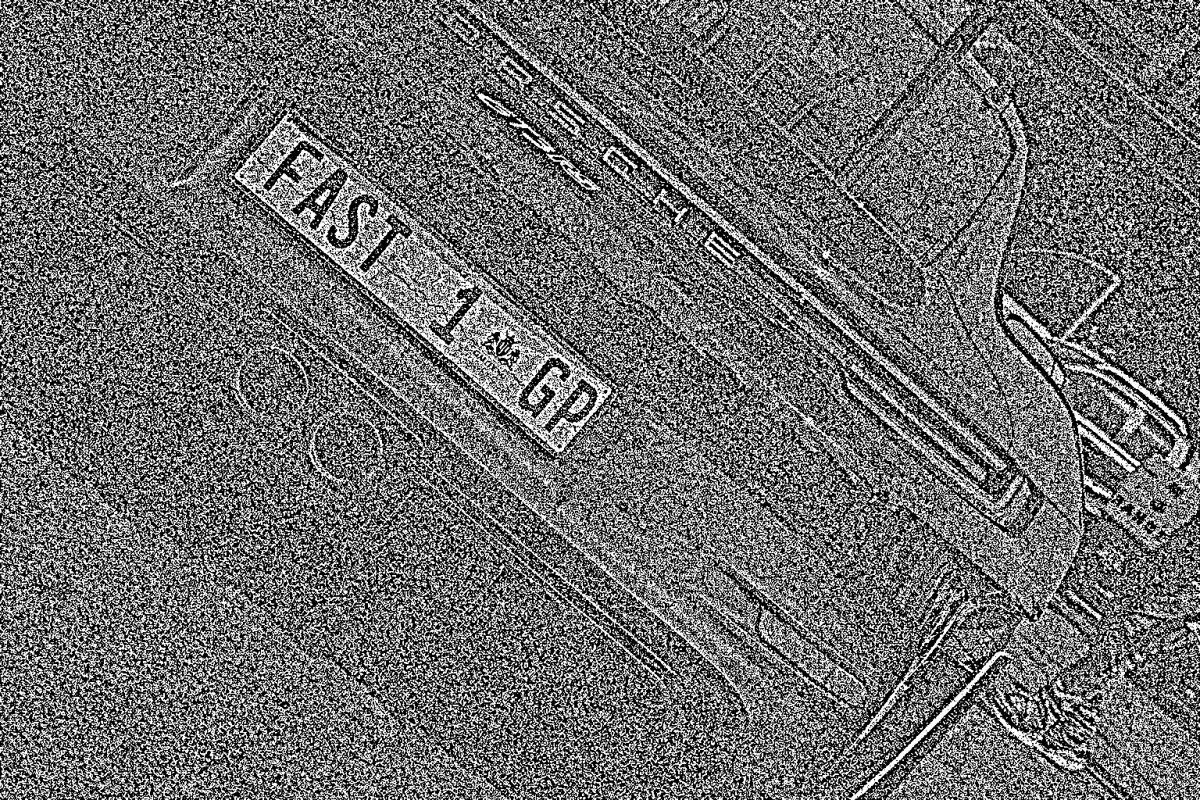
Segmented image using local thresholding
The Code
import pathlib

from telekinesis import cornea
from datatypes import io

DATA_DIR = pathlib.Path("path/to/telekinesis-data")

# Load image as grayscale
filepath = str(DATA_DIR / "images" / "car_number_plate.jpg")
image = io.load_image(filepath=filepath, as_gray=True)

# Perform local threshold segmentation
result = cornea.segment_image_using_local_threshold(
    image=image,
    block_size=23,
)

# Access results
annotation = result["annotation"].to_dict()
mask = annotation['labeled_mask']
The Explanation of the Code
Local threshold segmentation computes a threshold for each pixel based on statistics of its local neighborhood, allowing it to handle non-uniform lighting and varying backgrounds.
The code begins by importing the required modules and loading a grayscale image:
import pathlib

from telekinesis import cornea
from datatypes import io

DATA_DIR = pathlib.Path("path/to/telekinesis-data")
filepath = str(DATA_DIR / "images" / "car_number_plate.jpg")
image = io.load_image(filepath=filepath, as_gray=True)
The local threshold parameters are configured:
block_sizedetermines the size of the local neighborhood used to compute the threshold for each pixel
result = cornea.segment_image_using_local_threshold(
    image=image,
    block_size=23,
)
The function returns a dictionary containing an annotation object in COCO panoptic format. Extract the mask as follows:
annotation = result["annotation"].to_dict()
mask = annotation['labeled_mask']
Running the Example
Runnable examples are available in the Telekinesis examples repository. Follow the README in that repository to set up the environment. Once set up, you can run this specific example with:
cd telekinesis-examples
python examples/cornea_examples.py --example segment_image_using_local_threshold
How to Tune the Parameters
The segment_image_using_local_threshold Skill has 1 parameter:
block_size (default: 35):
- Block size for local threshold computation
- Units: Pixels (odd integer)
- Increase for larger neighborhoods (smoother threshold surface)
- Decrease for smaller neighborhoods (more adaptive to local changes)
- Typical range: 11-101
- Should be larger than the largest object of interest
TIP
Best practice: Set block_size to be larger than the largest object you want to segment. Too small blocks may cause noise, too large blocks may miss local variations.
Where to Use the Skill
Segment Image Using Local Threshold is commonly used in the following pipelines:
- Non-uniform lighting - When lighting varies across the image
- Varying background - When background intensity changes
- Document scanning - Text extraction with shadows
- Industrial inspection - Objects under varying illumination
Alternative Skills
| Skill | vs. Segment Image Using Local Threshold |
|---|---|
| segment_image_using_adaptive_threshold | Adaptive threshold is more sophisticated. Use adaptive for better results, local for simpler implementation. |
| segment_image_using_otsu_threshold | Otsu is global. Use Otsu for uniform lighting, local for non-uniform lighting. |
When Not to Use the Skill
Do not use Segment Image Using Local Threshold when:
- Lighting is uniform (Use Otsu or manual threshold for speed)
- Speed is critical (Local threshold is slower than global methods)
- Objects are very small (Block size may be too large)
TIP
Local threshold is particularly effective for images with shadows, gradients, or other non-uniform lighting conditions that would cause global thresholding to fail.