

Image Segmentation
Image Segmentation
cornea covers 2D image segmentation using several different approaches: color-based thresholding, region growing, intensity thresholding, superpixel grouping, graph-cut optimization, and deep learning models. Pick the group that matches the kind of separation you need.
Color Segmentation
Color segmentation isolates regions by thresholding pixel values in a specific color space (RGB, HSV, LAB, or YCrCb). It's fast and needs no training, and works best when the target has a distinct, consistent color under reasonably controlled lighting.
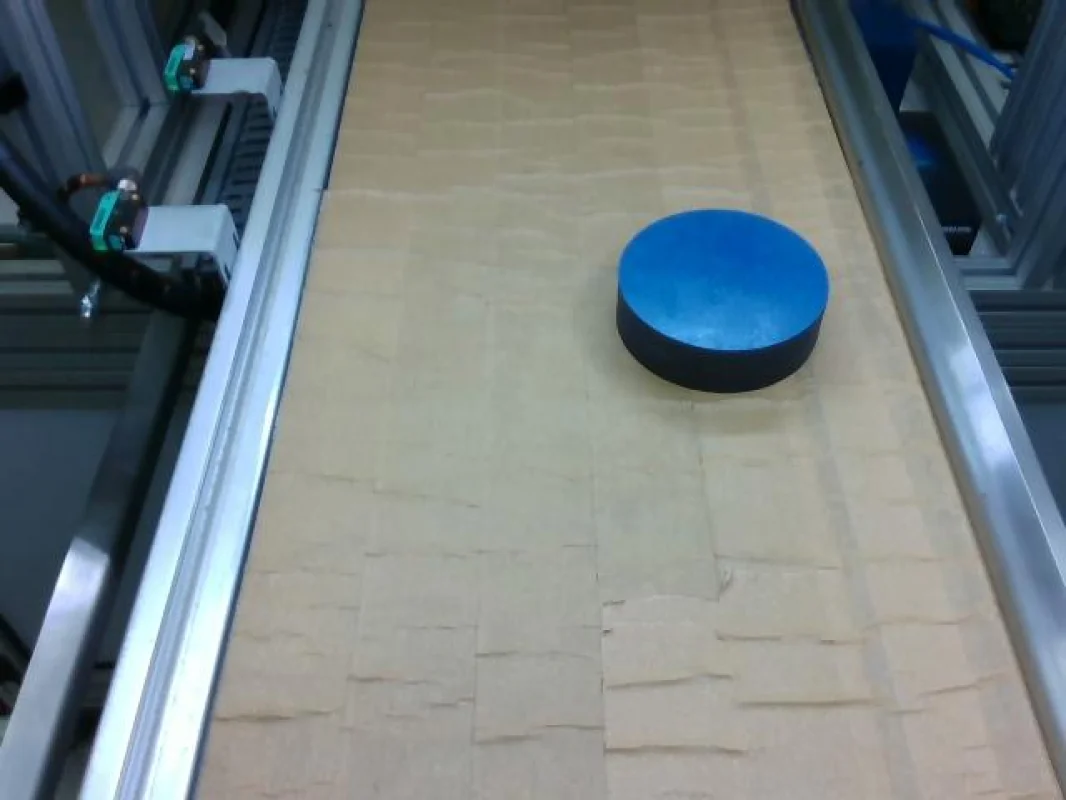
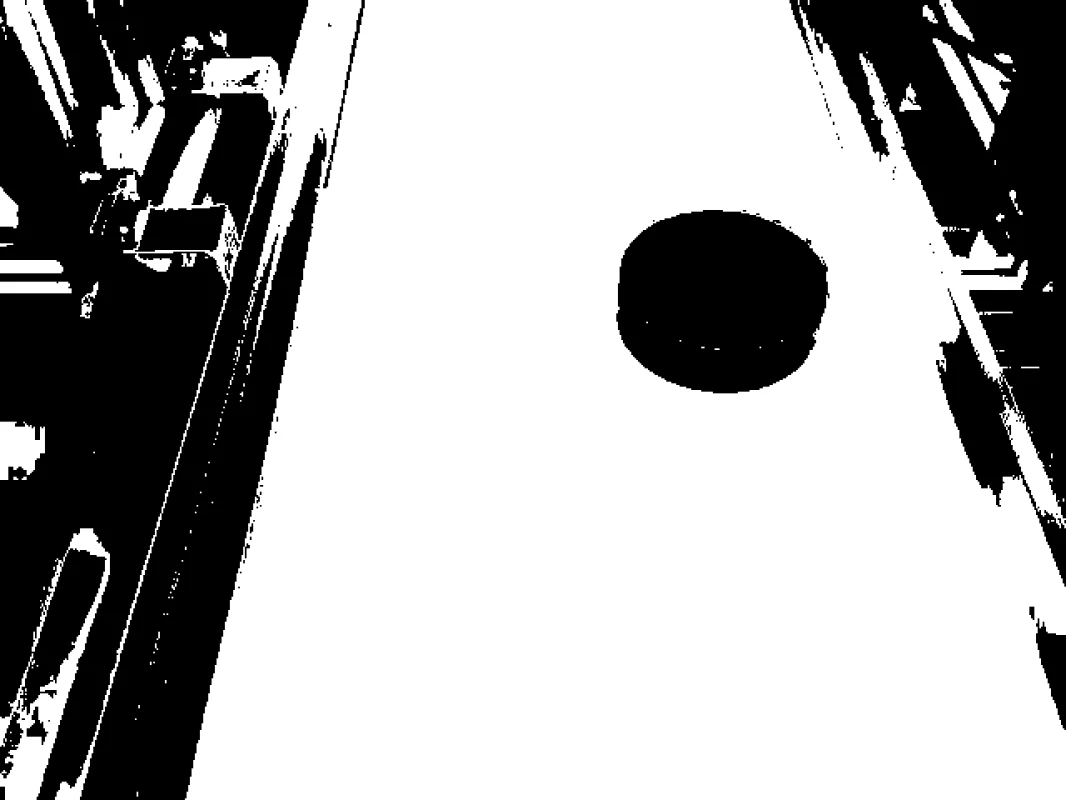
Segment Image Using RGB
Segments regions by thresholding raw RGB color channels.
View →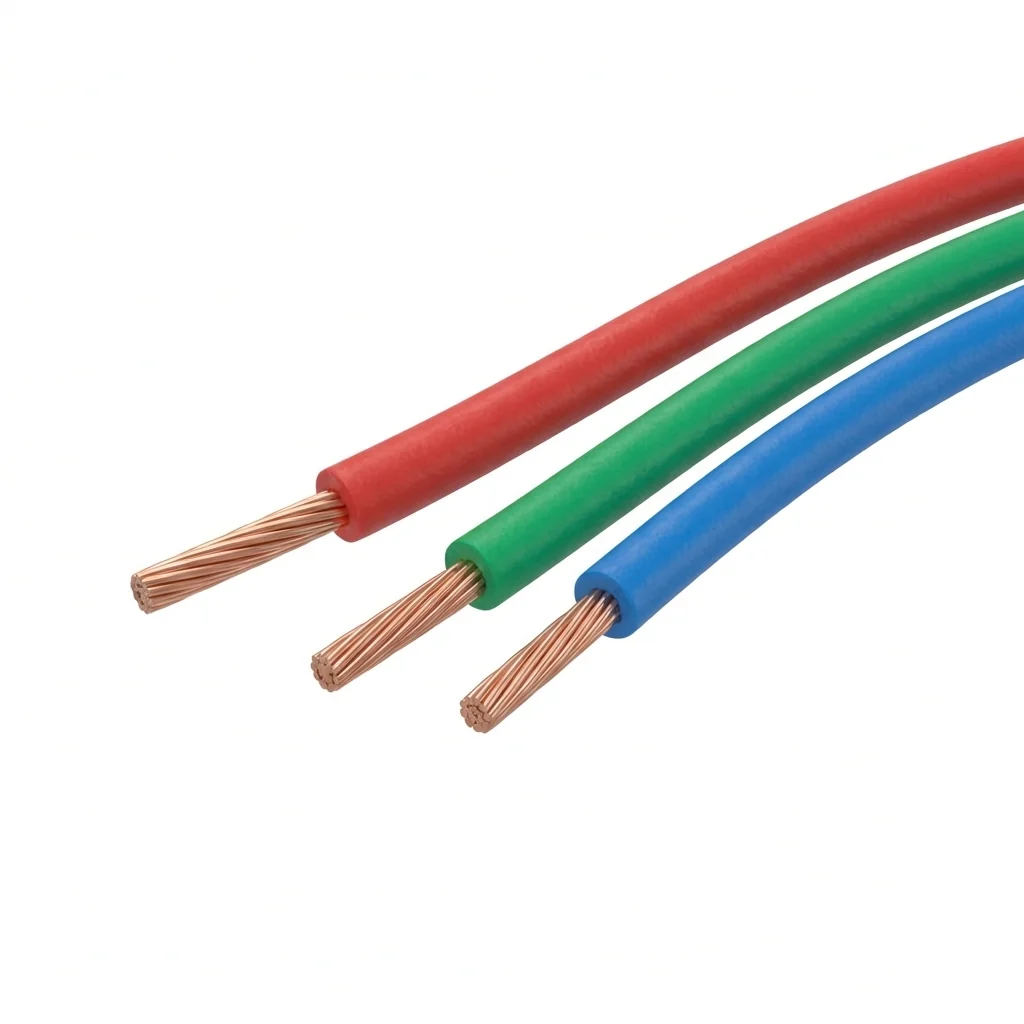
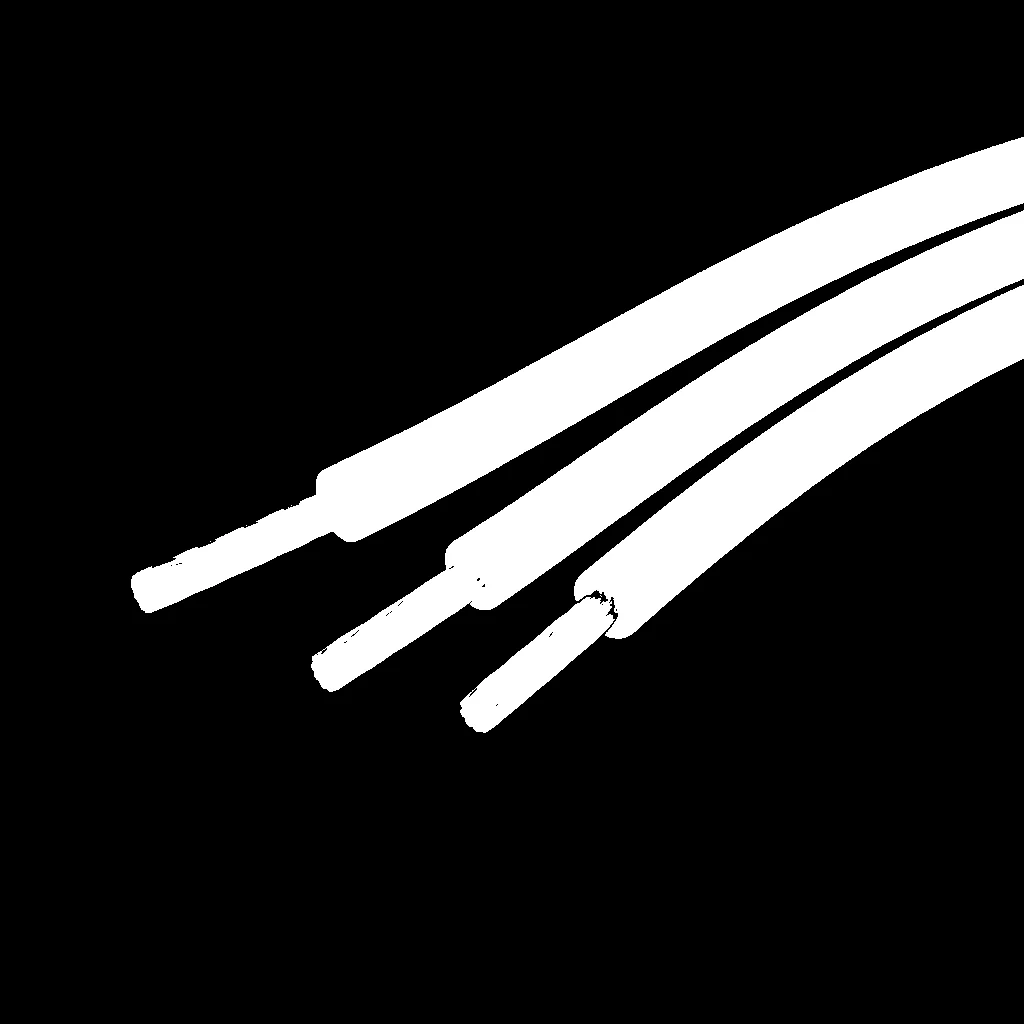
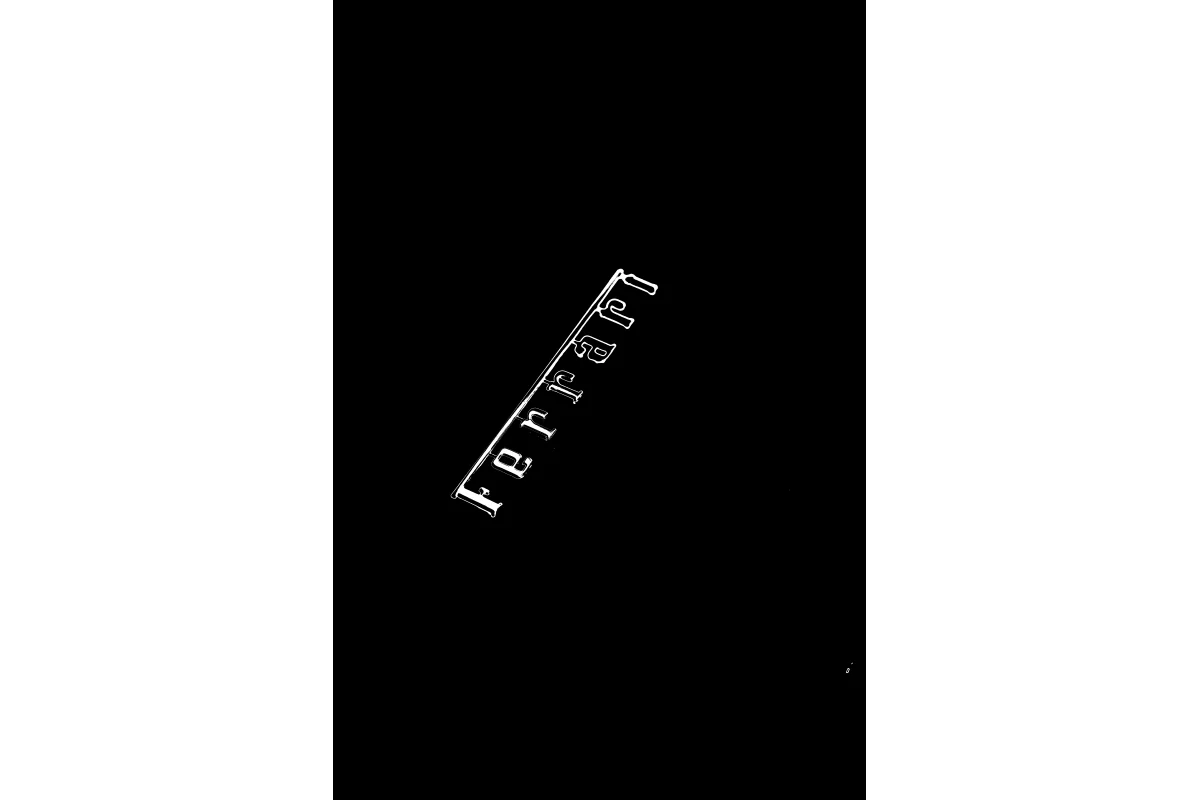
Segment Image Using HSV
Segments regions by thresholding hue, saturation, and value.
View →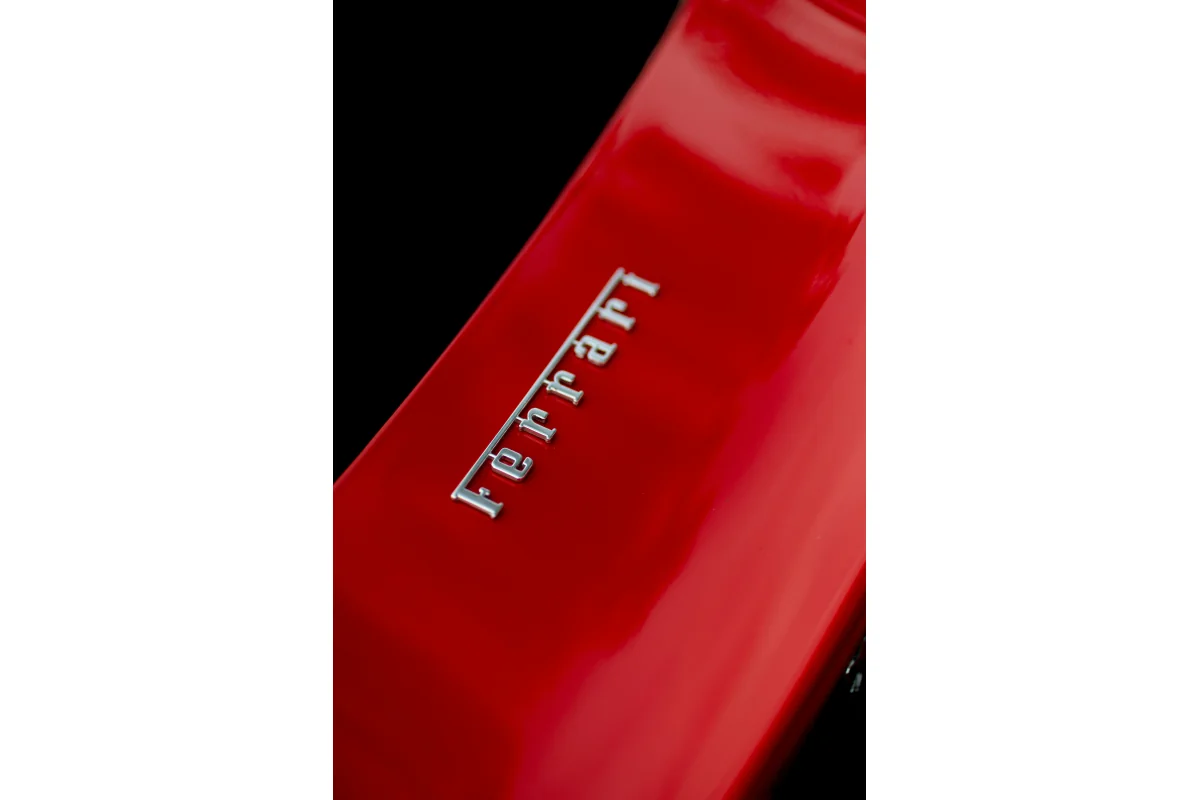
Segment Image Using LAB
Segments regions using perceptually uniform LAB color space.
View →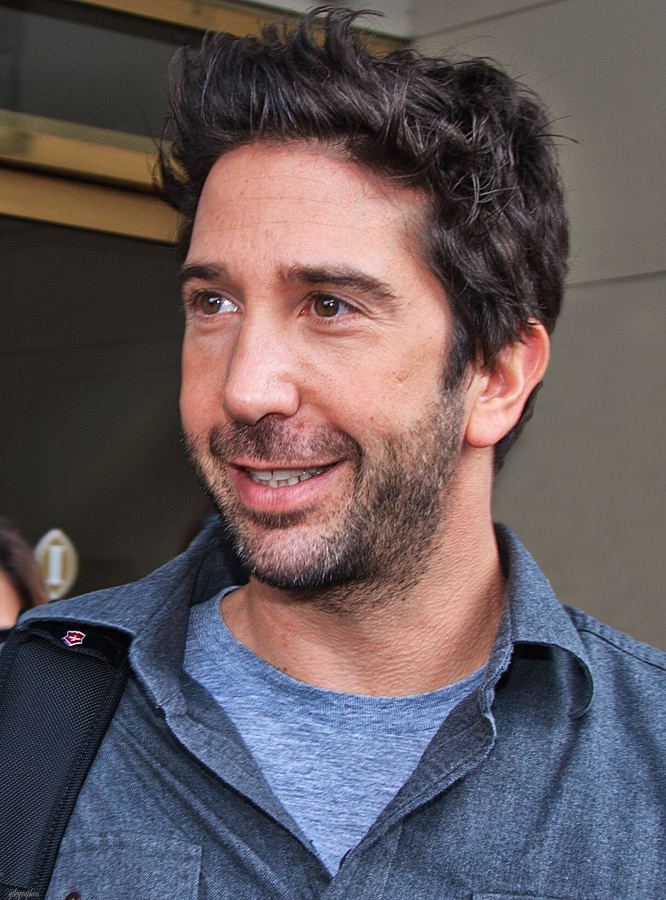
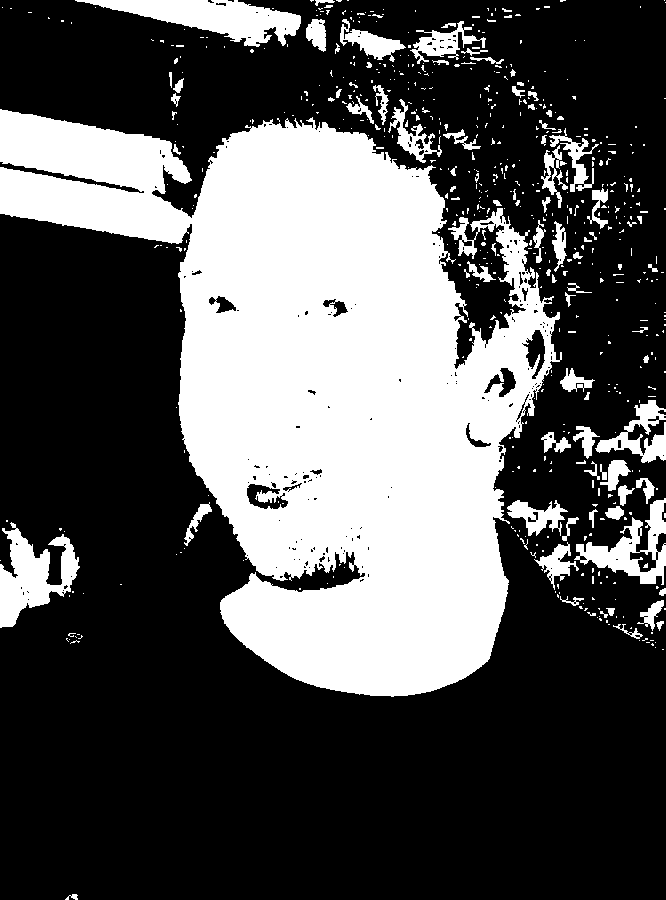
Segment Image Using YCrCb
Segments regions by separating luminance from chroma components.
View →Region Segmentation
Region-based methods grow or crop out a region from a seed point or a fixed area, rather than relying on a single pixel property. Use these to separate touching objects (watershed), pull a contiguous blob from a seed pixel (flood fill), or restrict processing to a known area of interest (focus region).

Segment Image Using Flood Fill
Segments a contiguous region by flood-filling from a seed point.
View →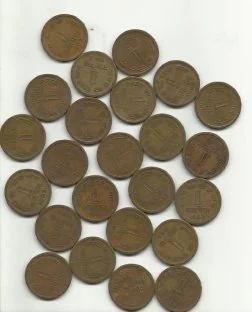
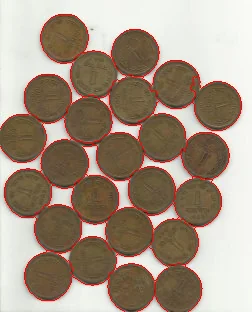
Segment Image Using Watershed
Segments touching or overlapping objects using the watershed algorithm.
View →
Segment Image Using Focus Region
Isolates a rectangular region of interest for downstream processing.
View →Threshold Segmentation
Threshold segmentation binarizes an image into foreground/background based on pixel intensity or edge strength. Some methods pick the threshold automatically (Otsu, Yen, adaptive/local), others use a fixed value or the Laplacian of the image to catch edges - simple, deterministic, and easy to reason about.
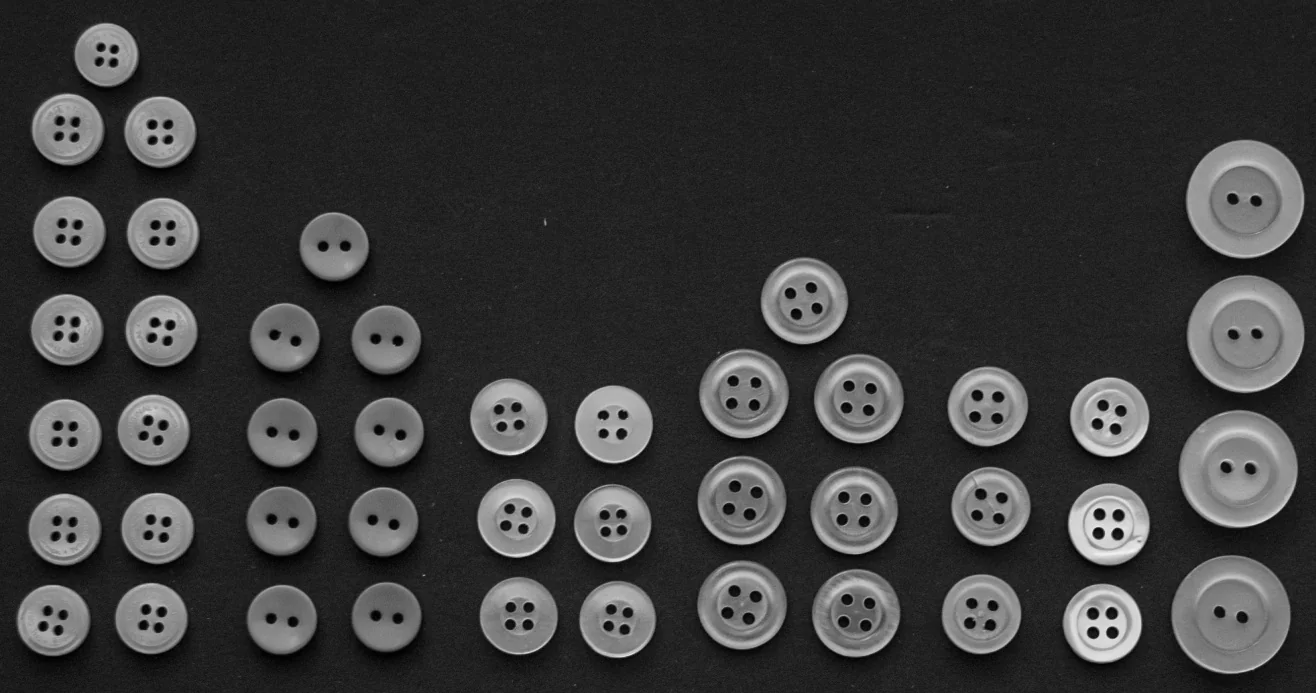
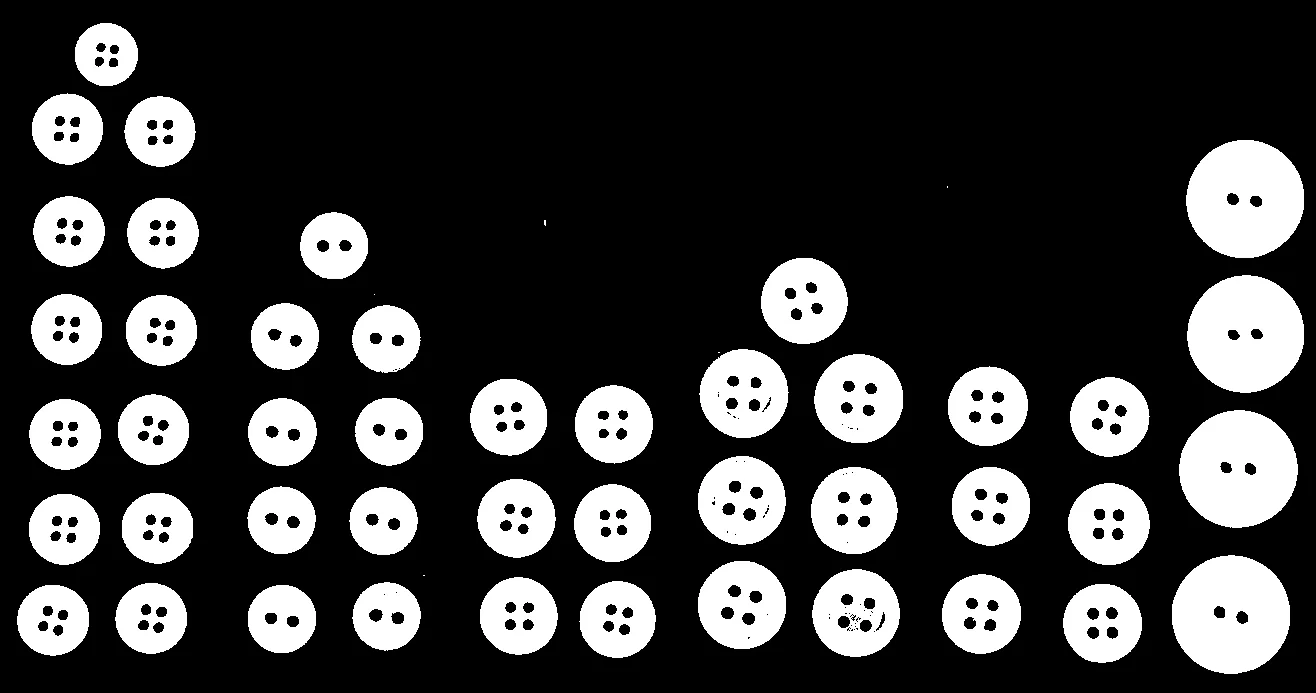
Segment Image Using Otsu Threshold
Binarizes an image by automatically finding the optimal Otsu threshold.
View →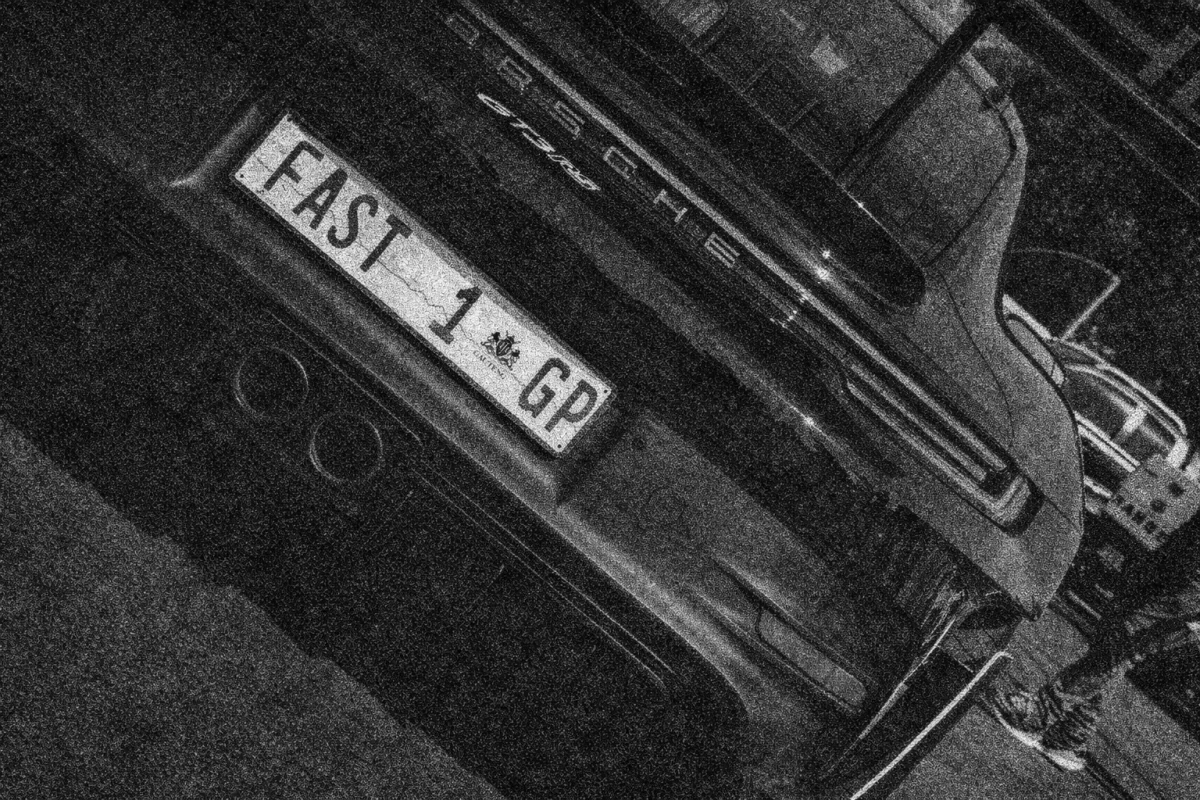
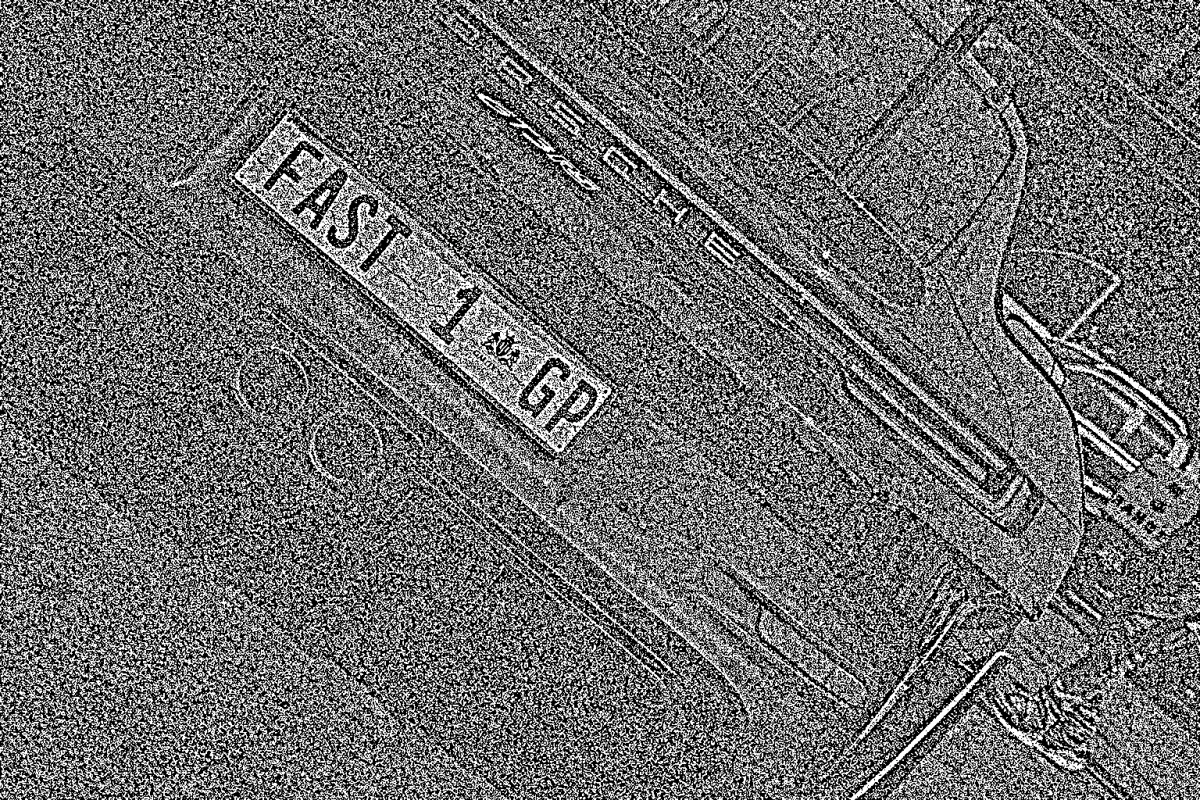
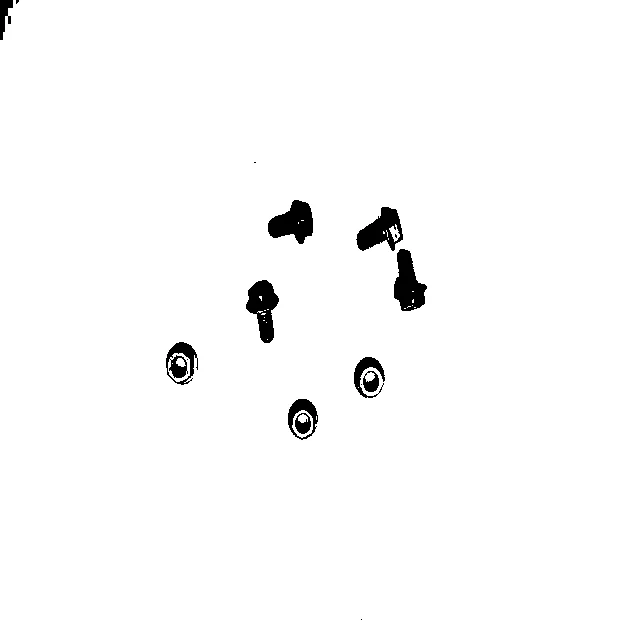
Segment Image Using Local Threshold
Applies adaptive thresholding over local image neighborhoods.
View →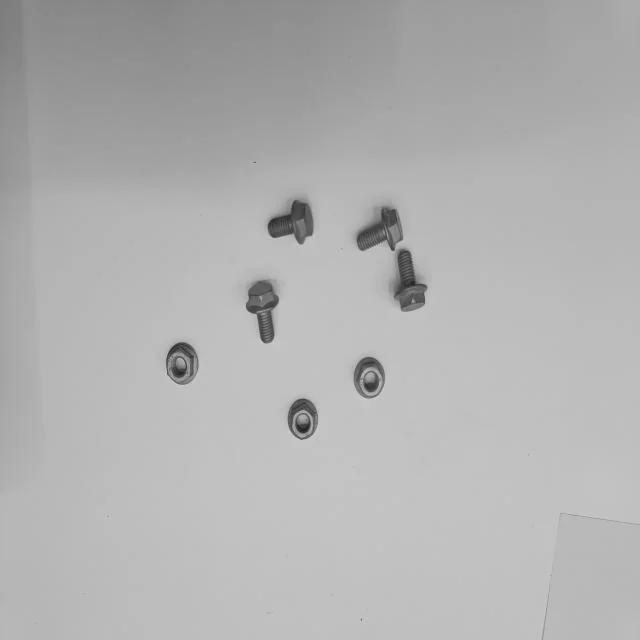
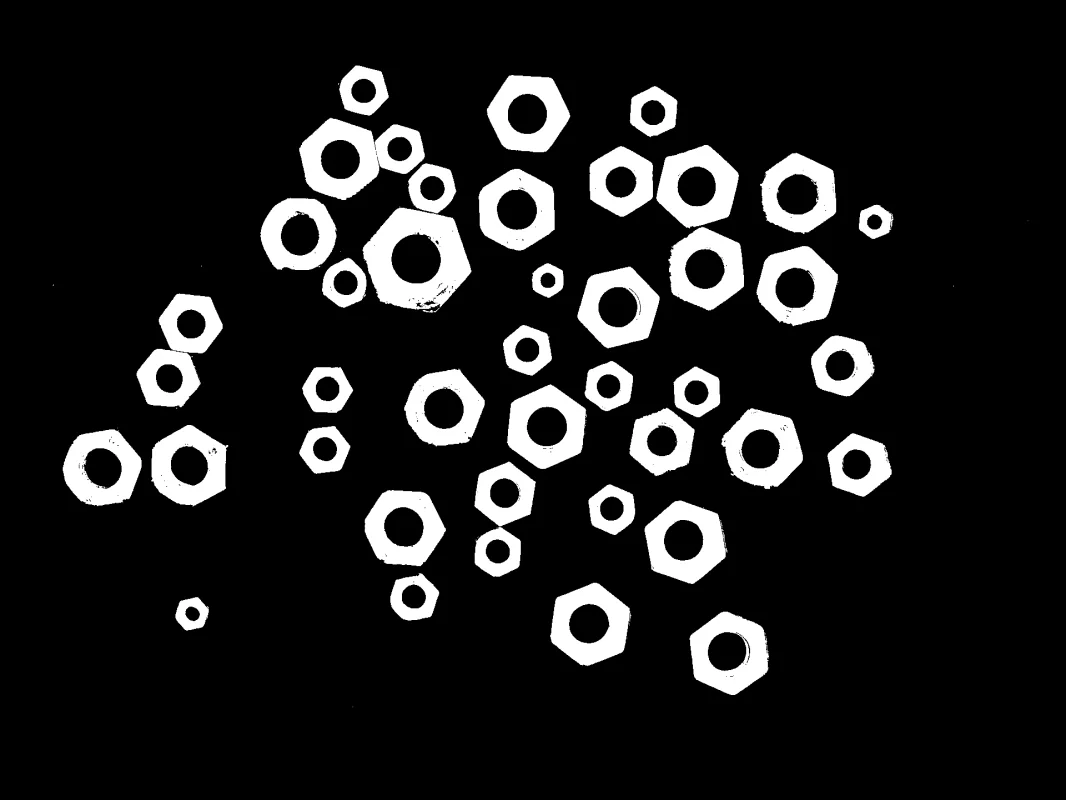
Segment Image Using Yen Threshold
Binarizes an image using Yen's maximum correlation thresholding method.
View →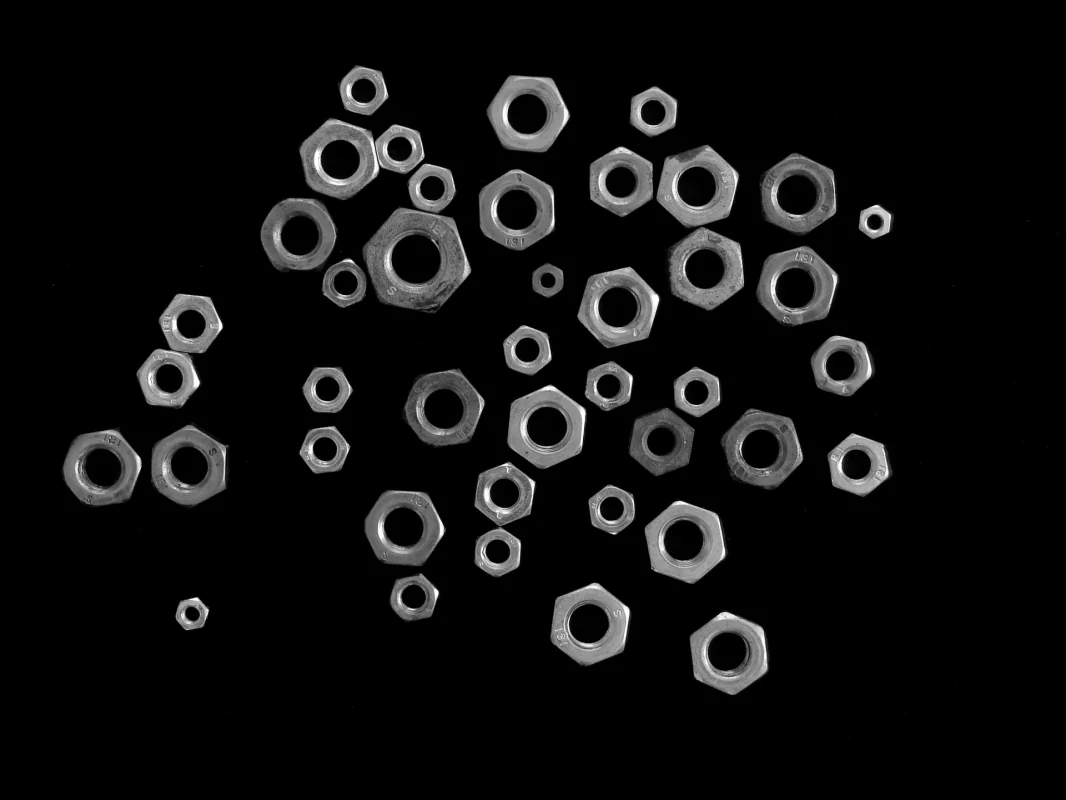
Segment Image Using Threshold
Segments an image using a fixed manually specified threshold value.
View →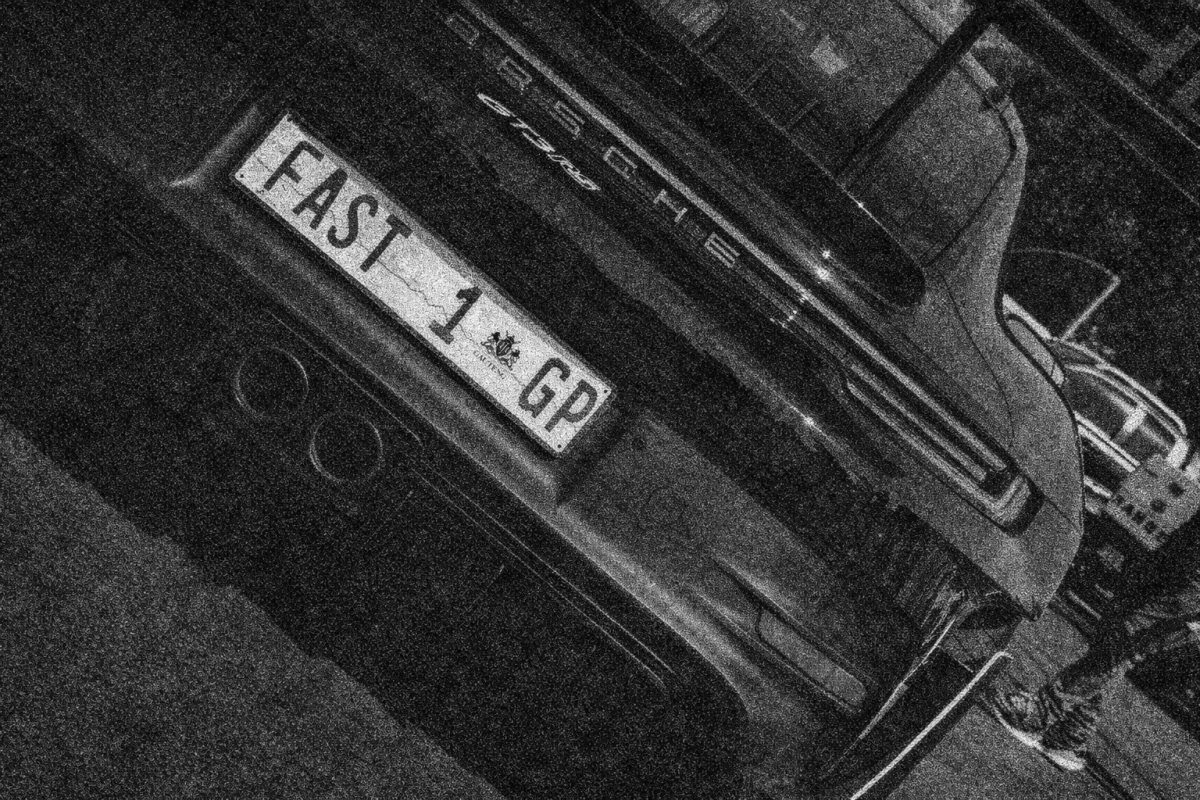
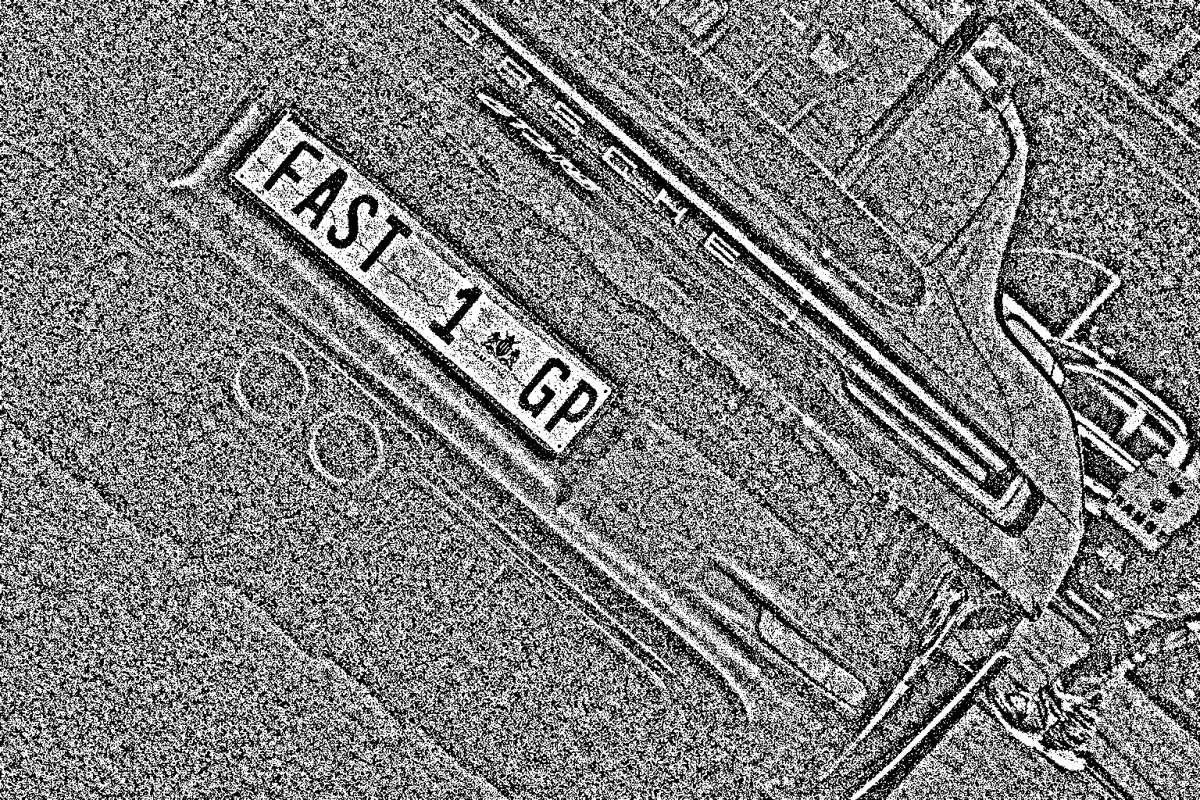
Segment Image Using Adaptive Threshold
Computes per-pixel thresholds based on local mean or Gaussian-weighted neighborhood.
View →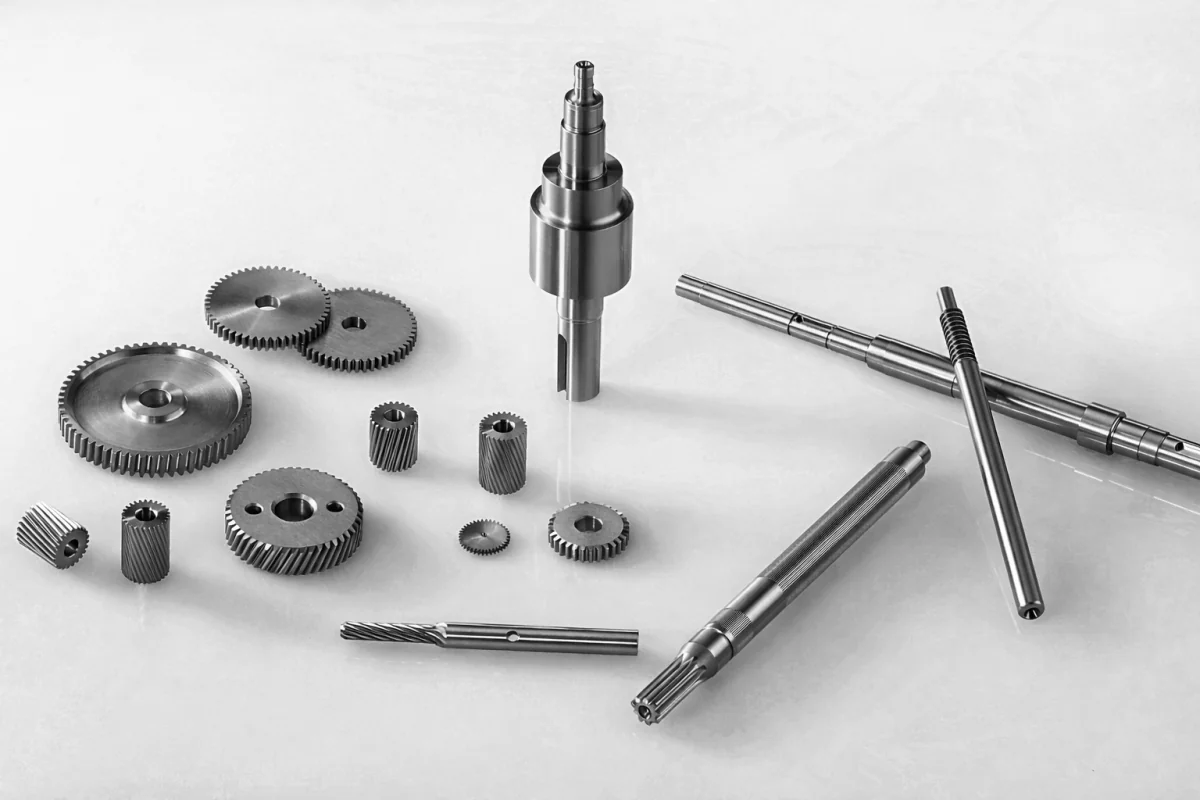
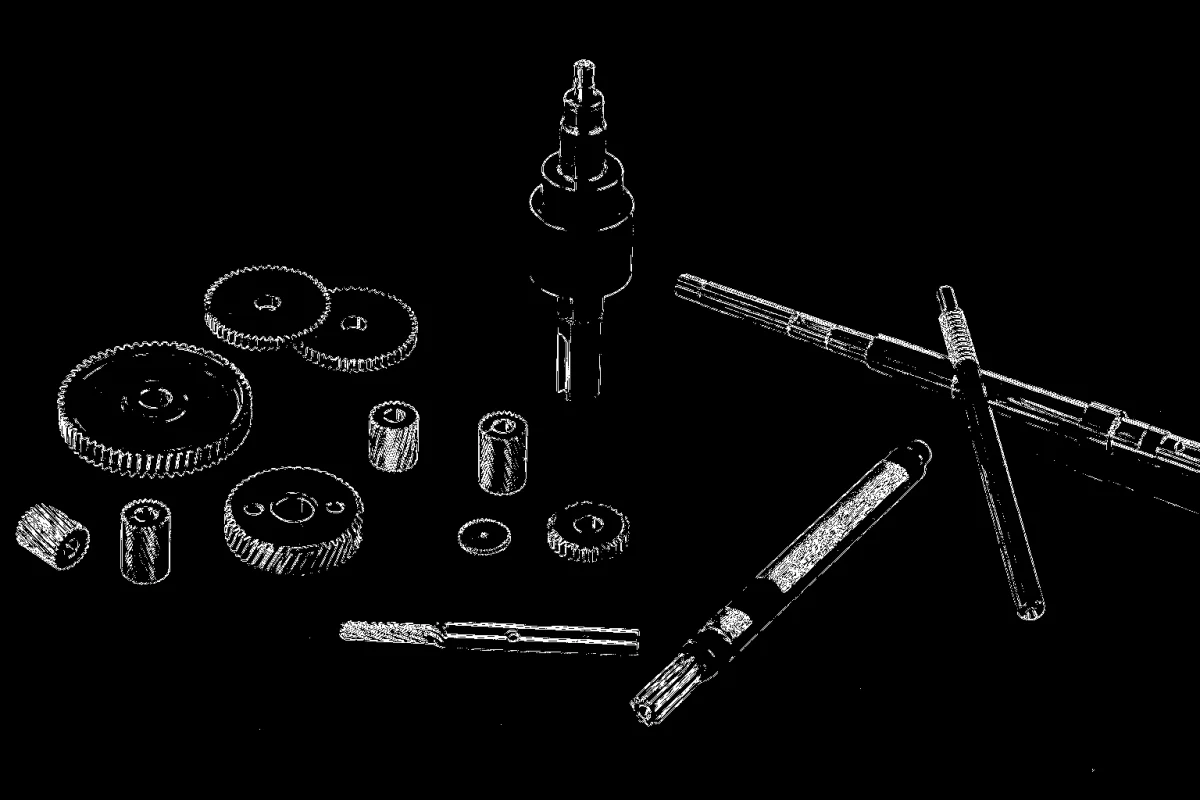
Segment Image Using Laplacian Threshold
Detects and segments edges by thresholding the Laplacian of the image.
View →Superpixel Segmentation
Superpixel methods over-segment an image into small, visually uniform regions before any higher-level decision is made. Use these as a preprocessing step to reduce an image to a manageable set of coherent regions rather than raw pixels.
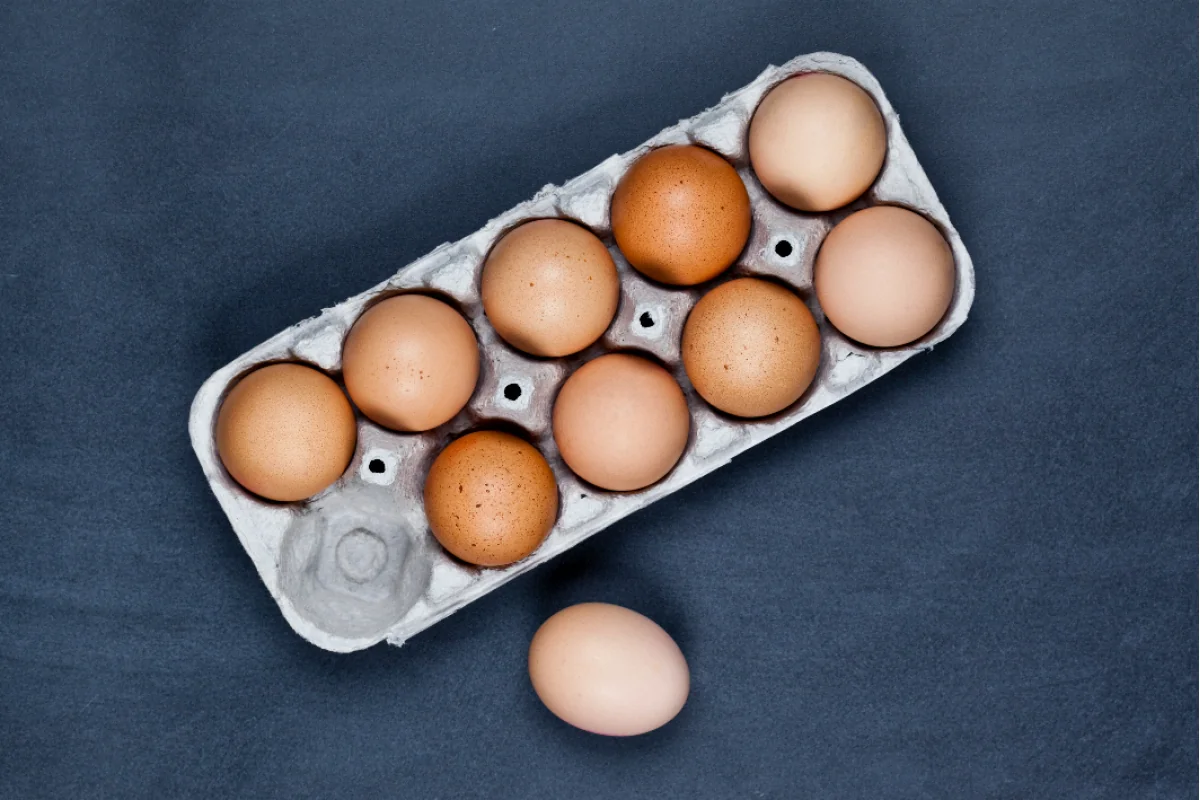
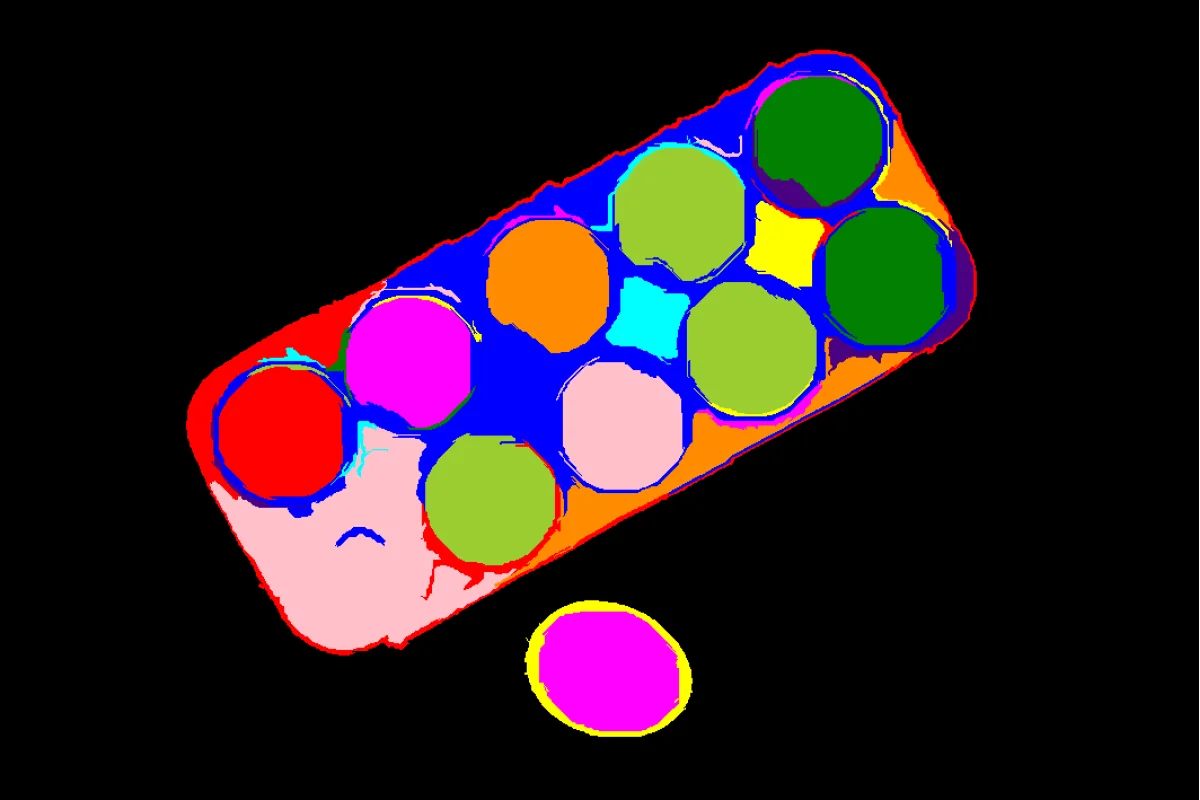
Segment Image Using Felzenszwalb
Over-segments an image into superpixels using Felzenszwalb's method.
View →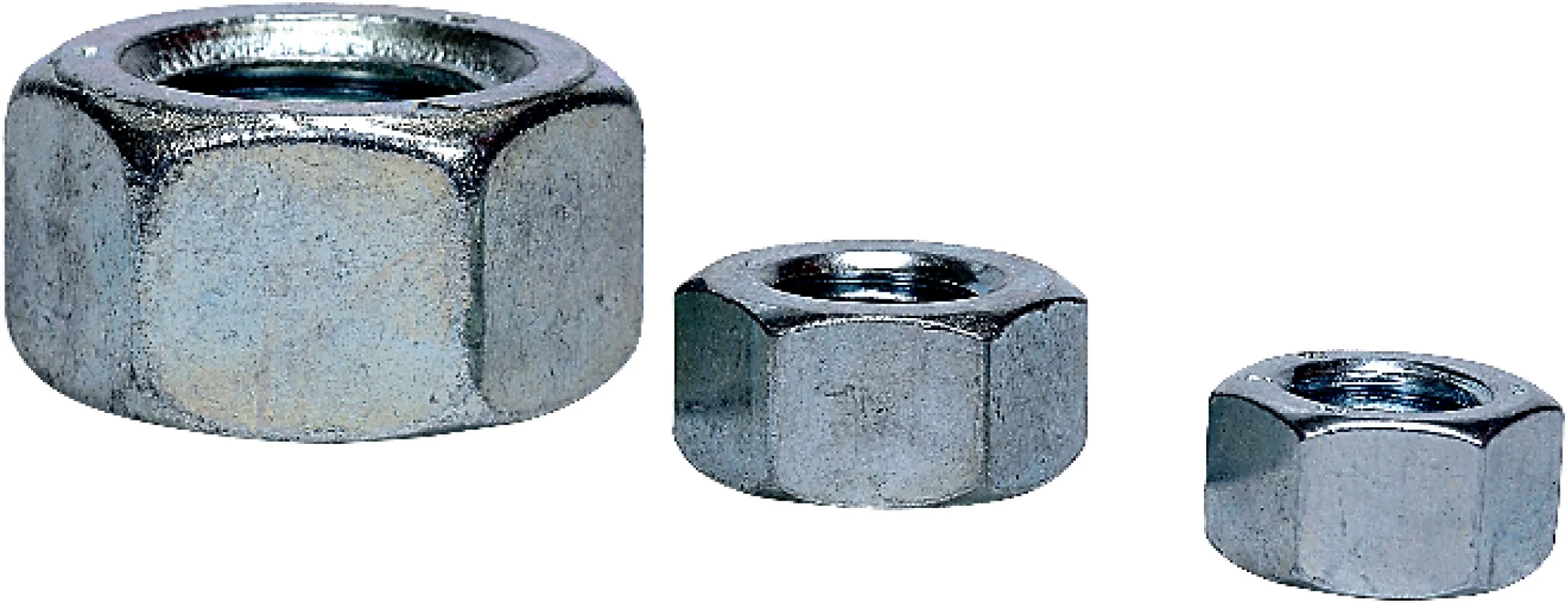
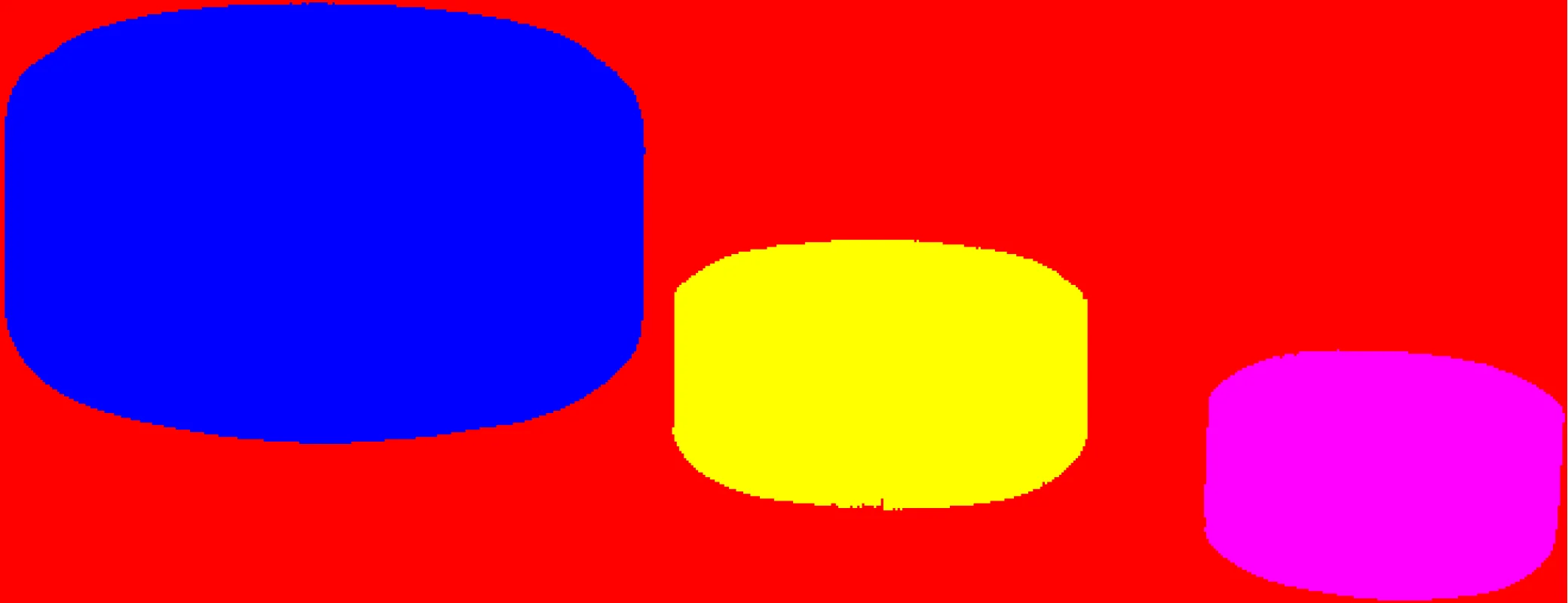
Segment Image Using SLIC Superpixel
Groups pixels into compact superpixels using the SLIC algorithm.
View →Superpixel Filtering
Once you have a set of segments (from superpixels or another method), these skills filter that set down to the ones you actually want - by area, by average color, or by overlap with a binary mask. Use them to clean up noisy or over-segmented results.
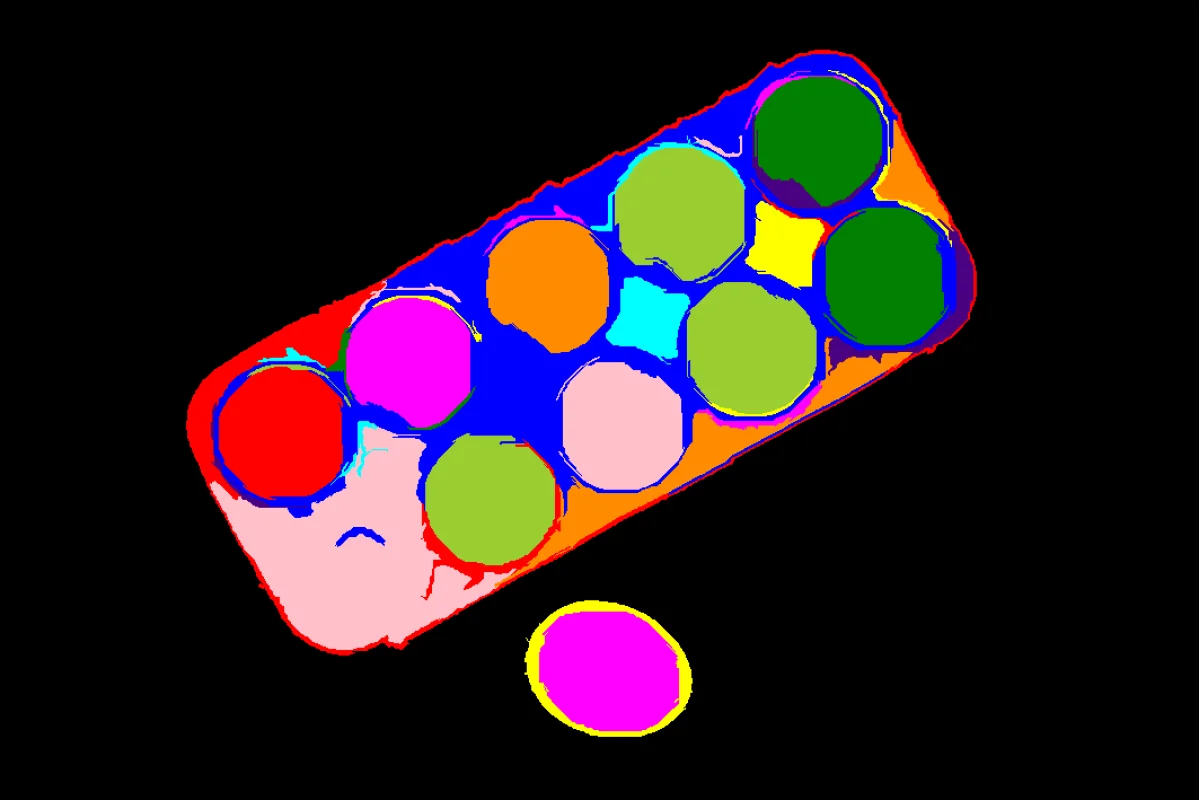
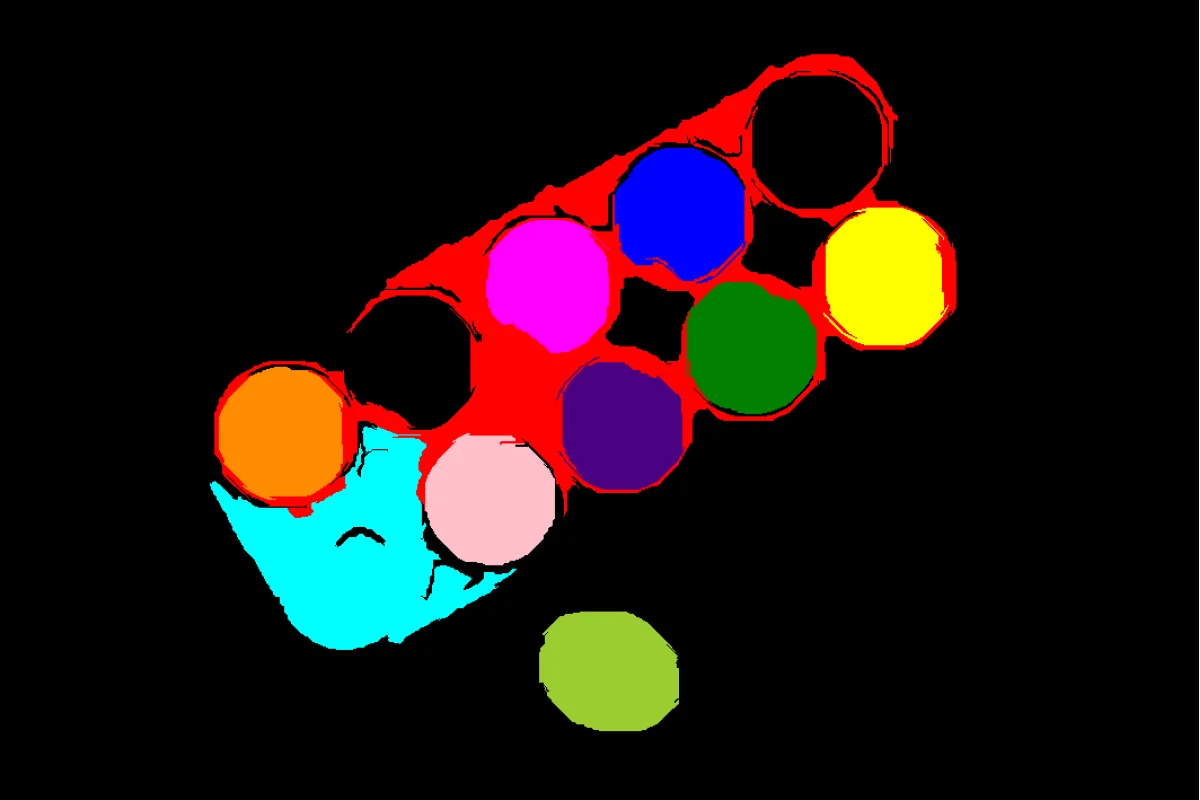
Filter Segments By Area
Removes segments outside a specified minimum or maximum area.
View →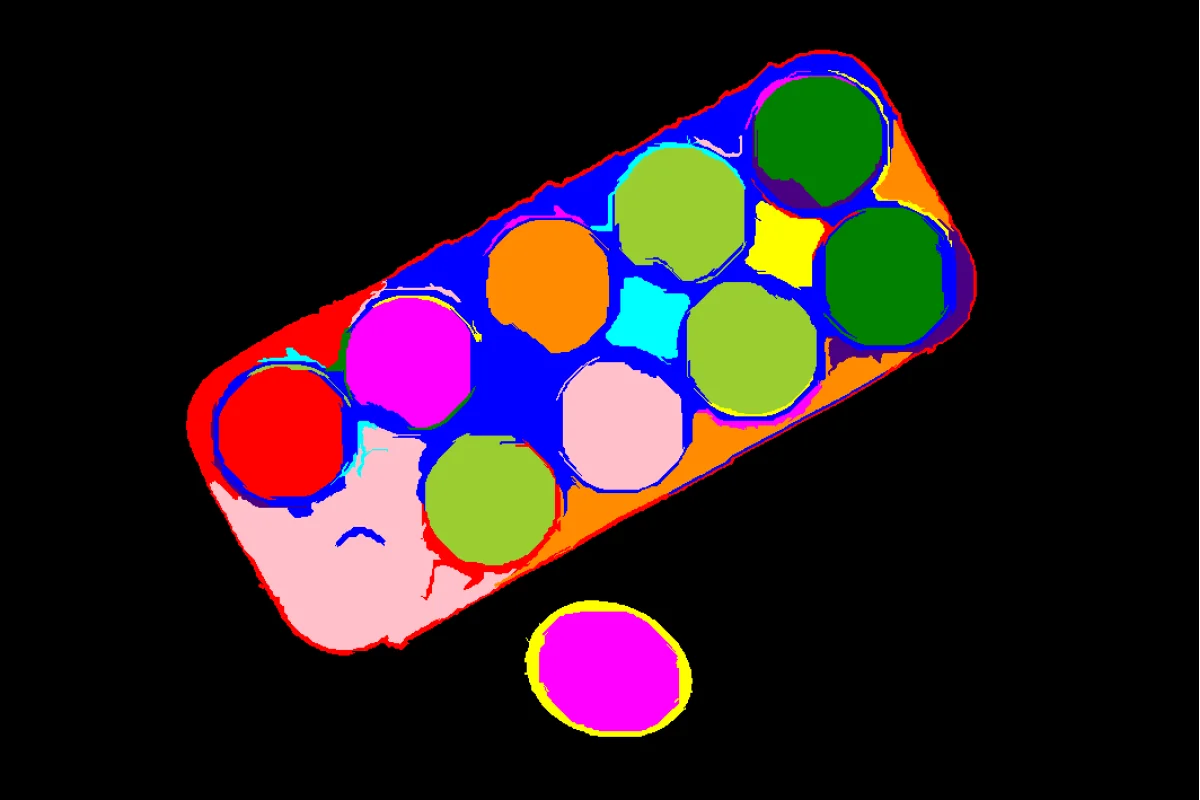
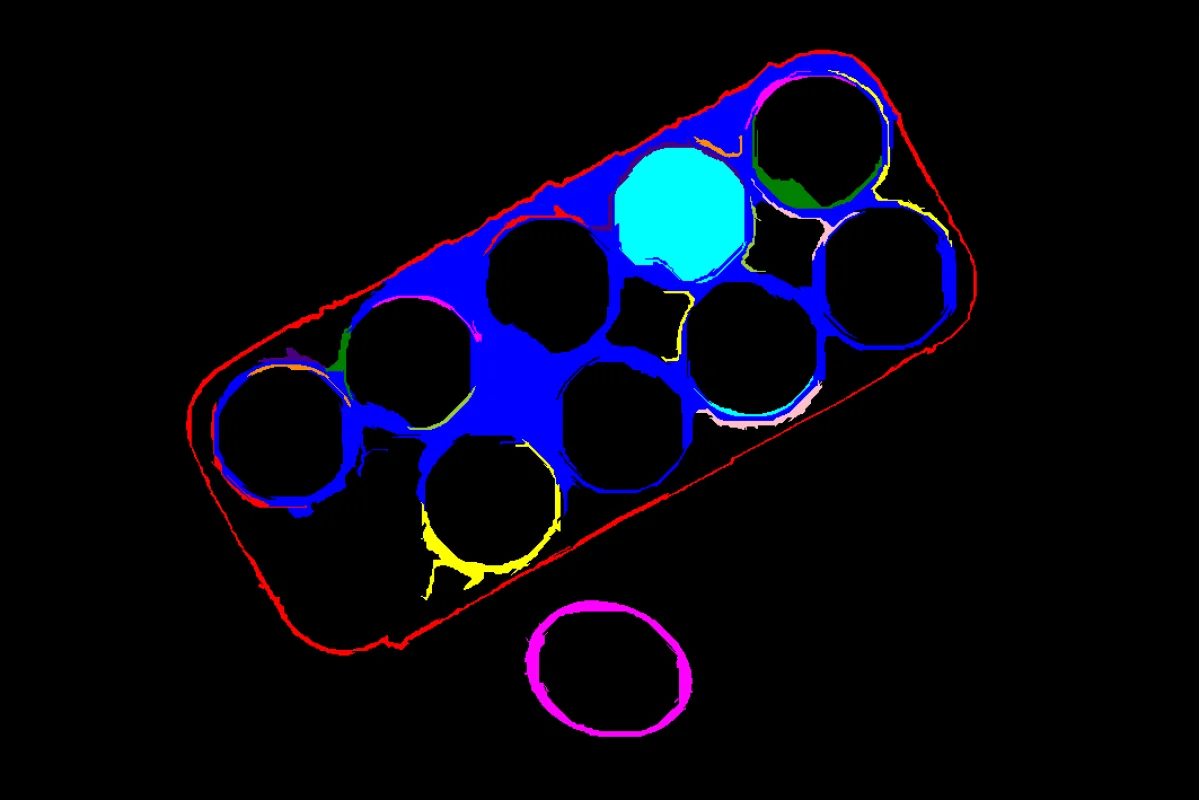
Filter Segments By Color
Keeps only segments whose average color falls within a target range.
View →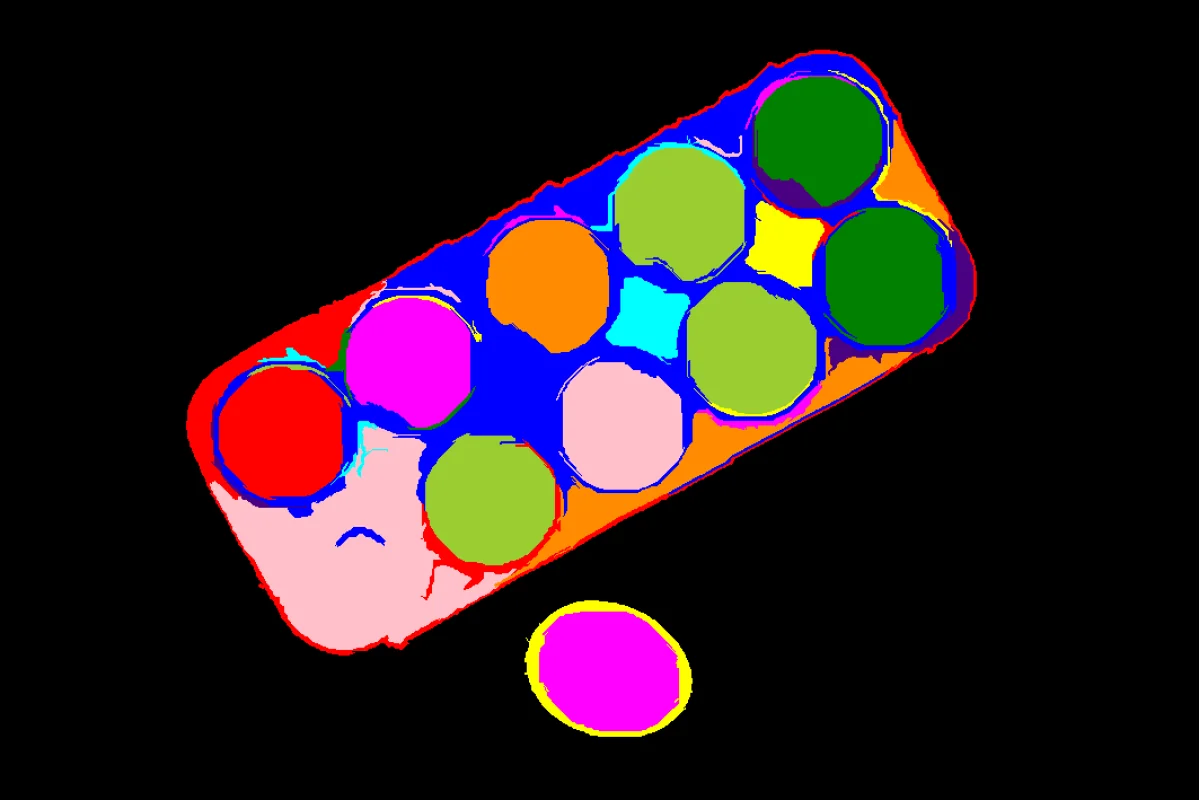
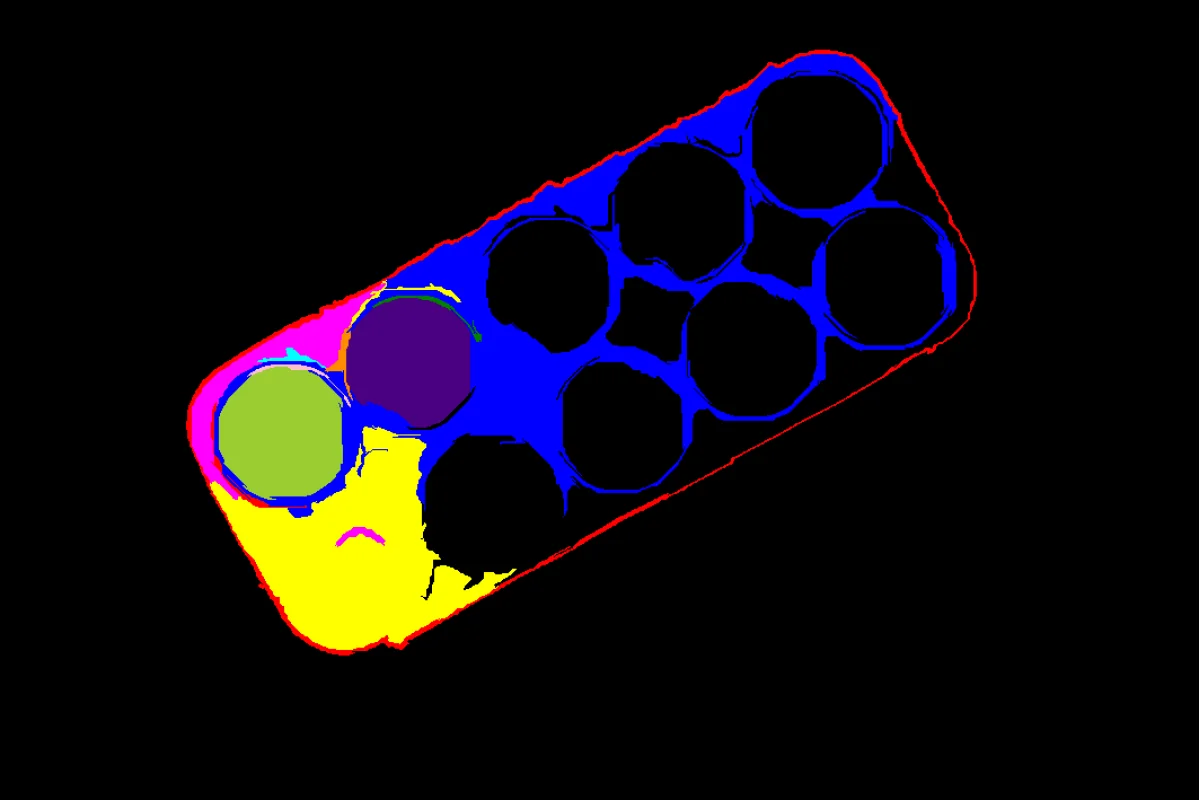
Filter Segments By Mask
Filters segments based on overlap with a provided binary mask.
View →Graph-Based Segmentation
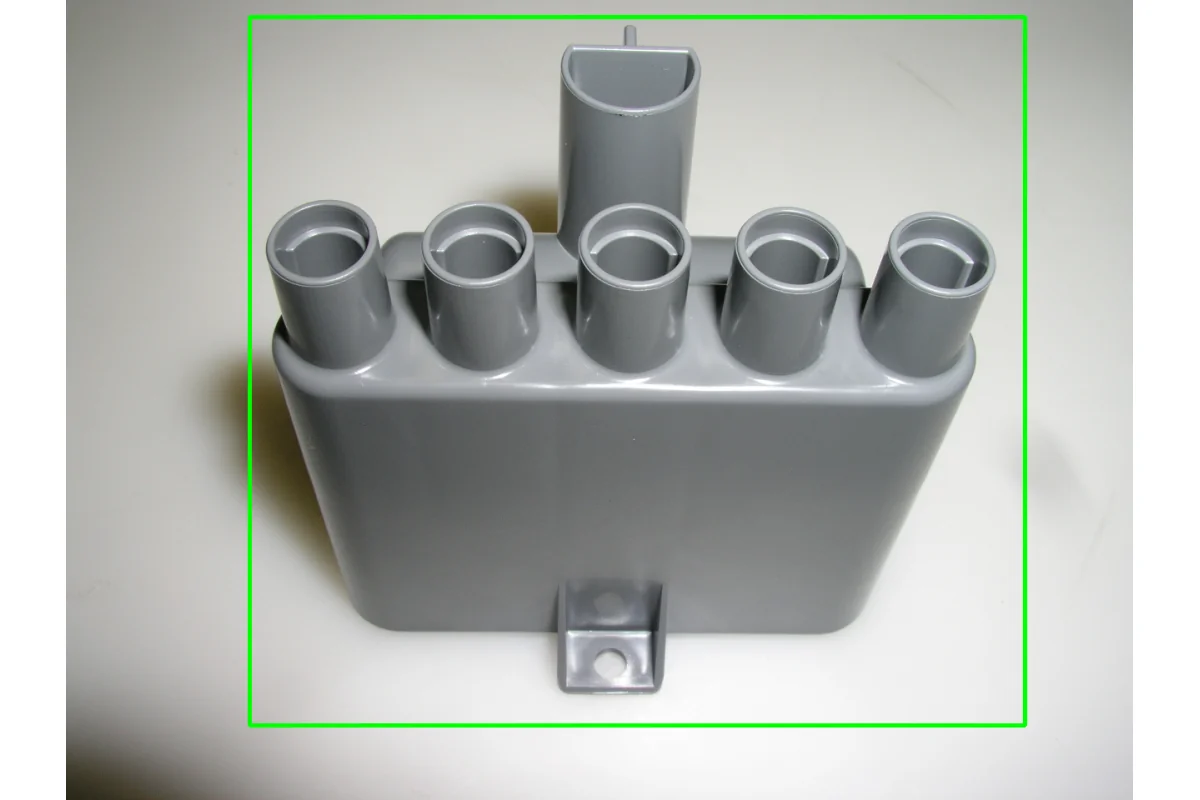
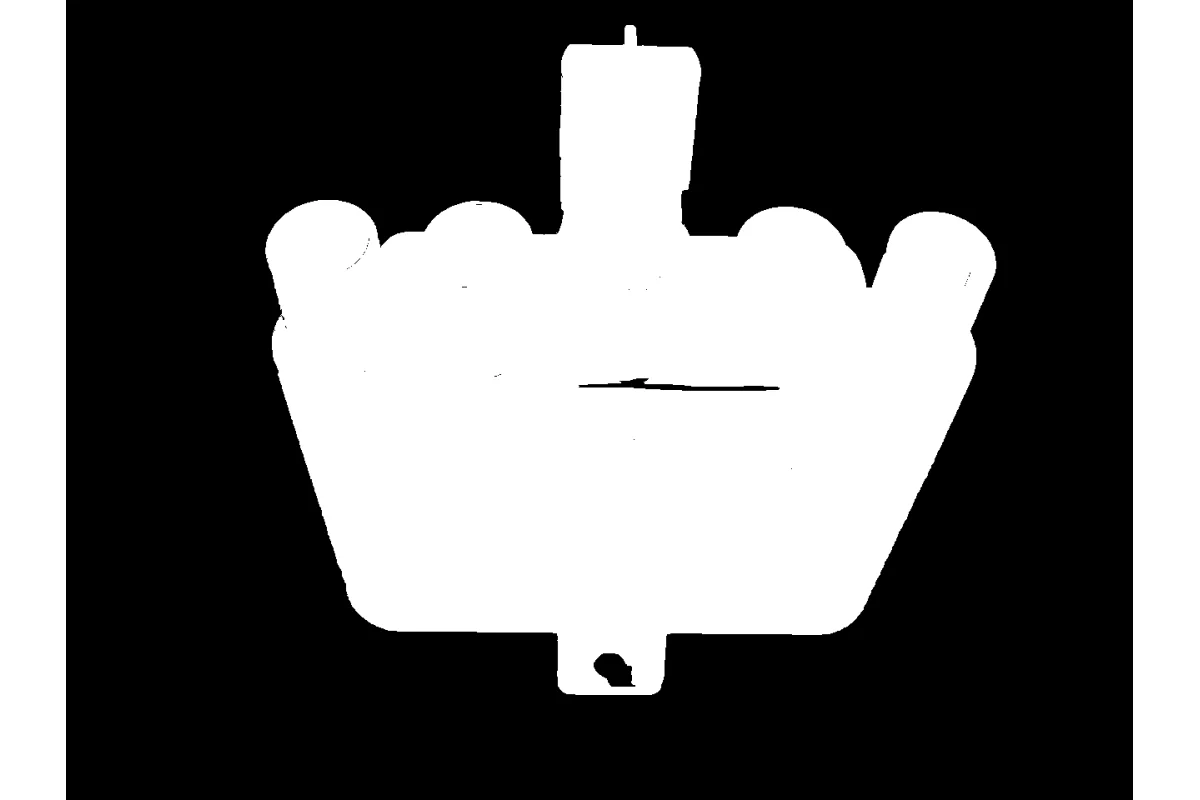
Graph-based segmentation treats the image as a graph and finds an optimal cut between foreground and background. GrabCut handles softer, more irregular boundaries than simple thresholding, at the cost of a bit more computation.
Deep Learning Segmentation
Deep learning segmentation uses trained neural networks for high-accuracy, general-purpose results without hand-tuning thresholds or seed points. BiRefNet extracts a clean foreground mask from a single image, while SAM (Segment Anything) can segment arbitrary objects from a point or box prompt.

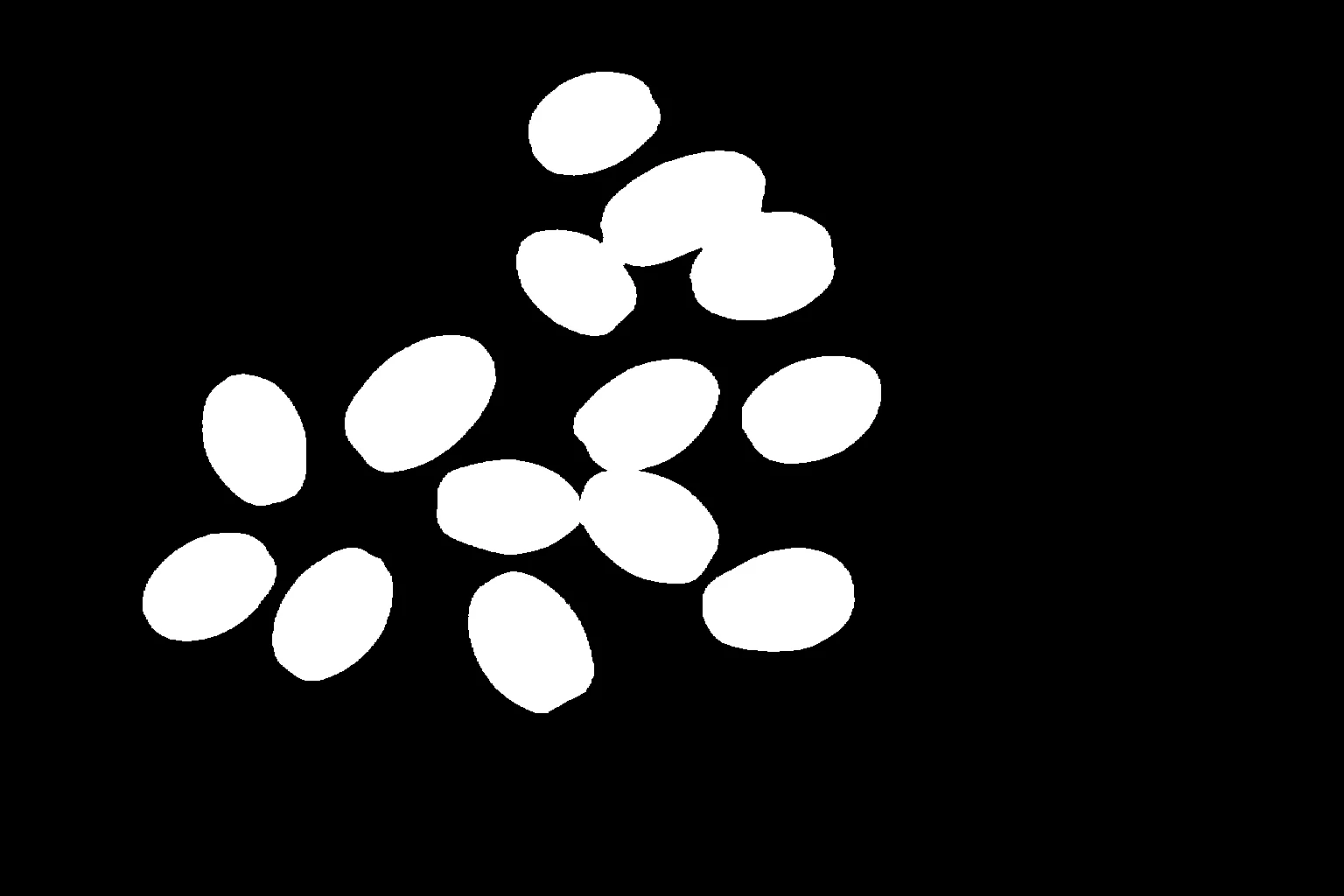
Segment Image Using Foreground BiRefNet
Extracts foreground from background using the BiRefNet deep learning model.
View →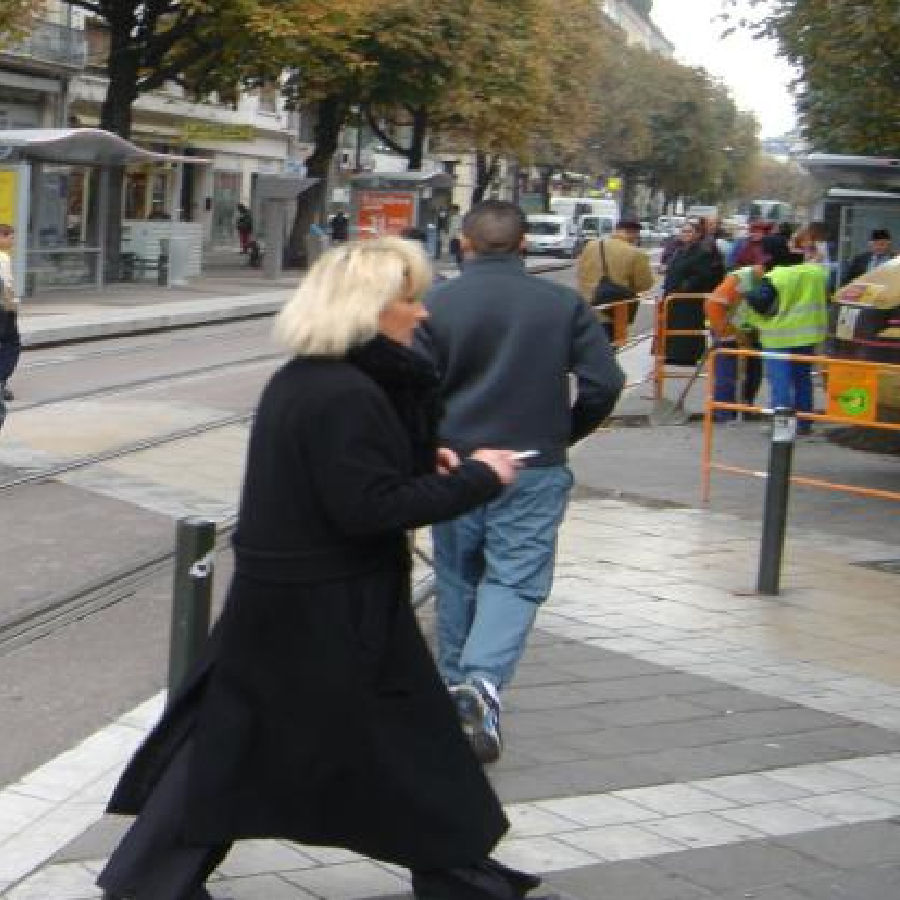
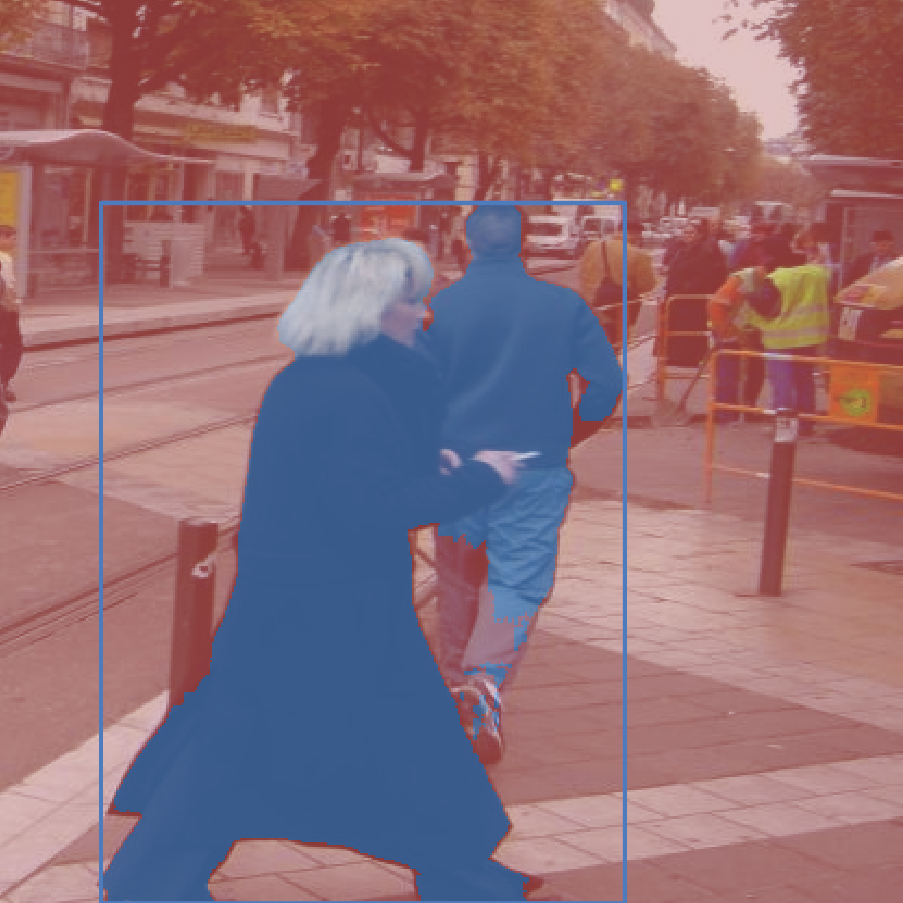
Segment Image Using SAM
Segments arbitrary objects using Meta's Segment Anything Model (SAM).
View →Where to Go Next?
Ready to go deeper? Browse the Telekinesis Skill Examples repository for a runnable example covering every Skill.
Skill Examples
One runnable example per Skill, across vision, 3D, hardware, and robotics.
Explore →Explore the Docs
Skills
Vision, 3D, hardware, and robotics skills — the full API reference.
Explore →Agents
Turn natural-language instructions into robot code with Tzara, the VS Code agent.
Explore →Data Engine
Generate and manage synthetic datasets for training Physical AI models.
Explore →BabyROS
Lightweight pub/sub and service primitives for building robot communication layers.
Explore →Applications
Real-world use cases: pick-and-place, palletizing, quality inspection, and more.
Explore →